8 hr
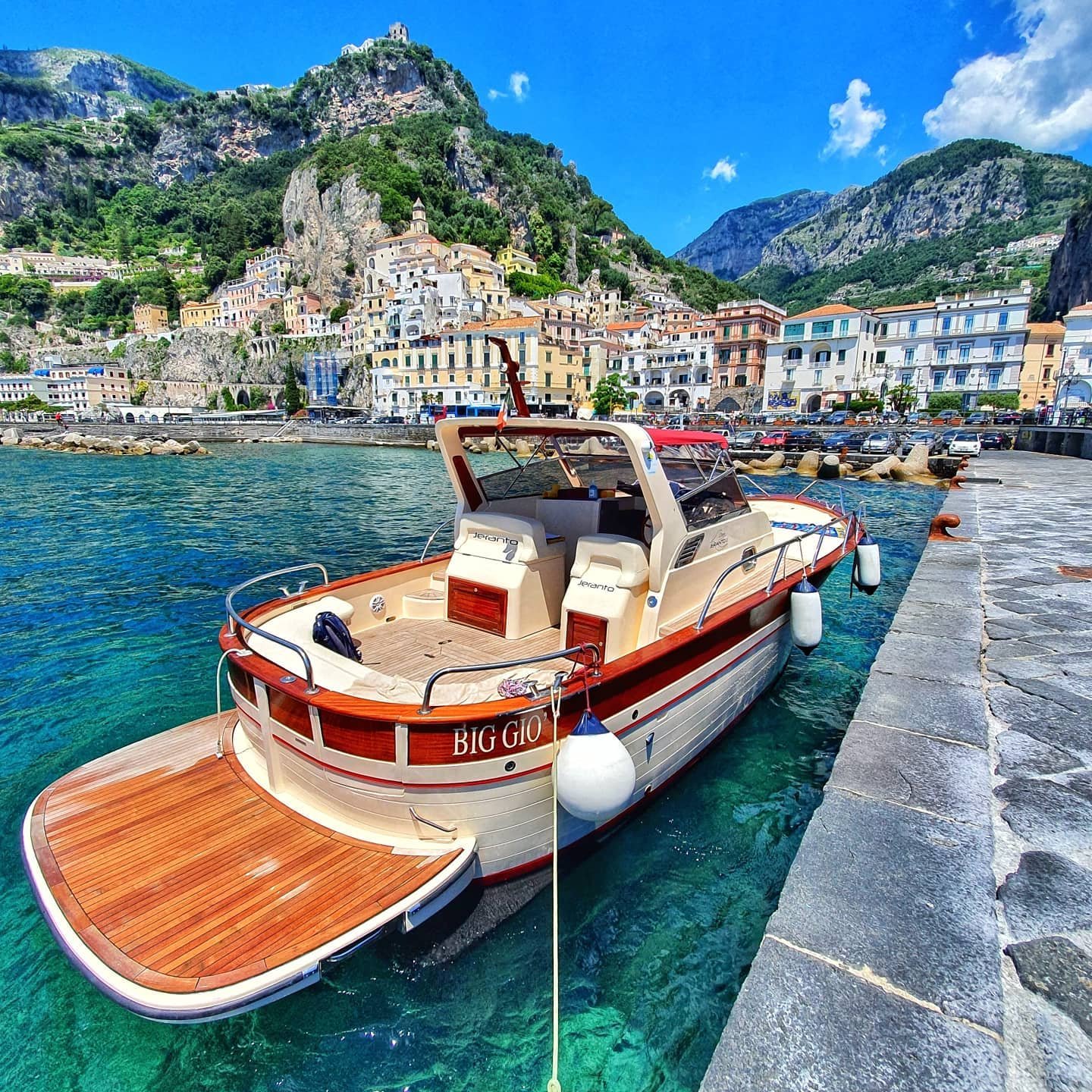
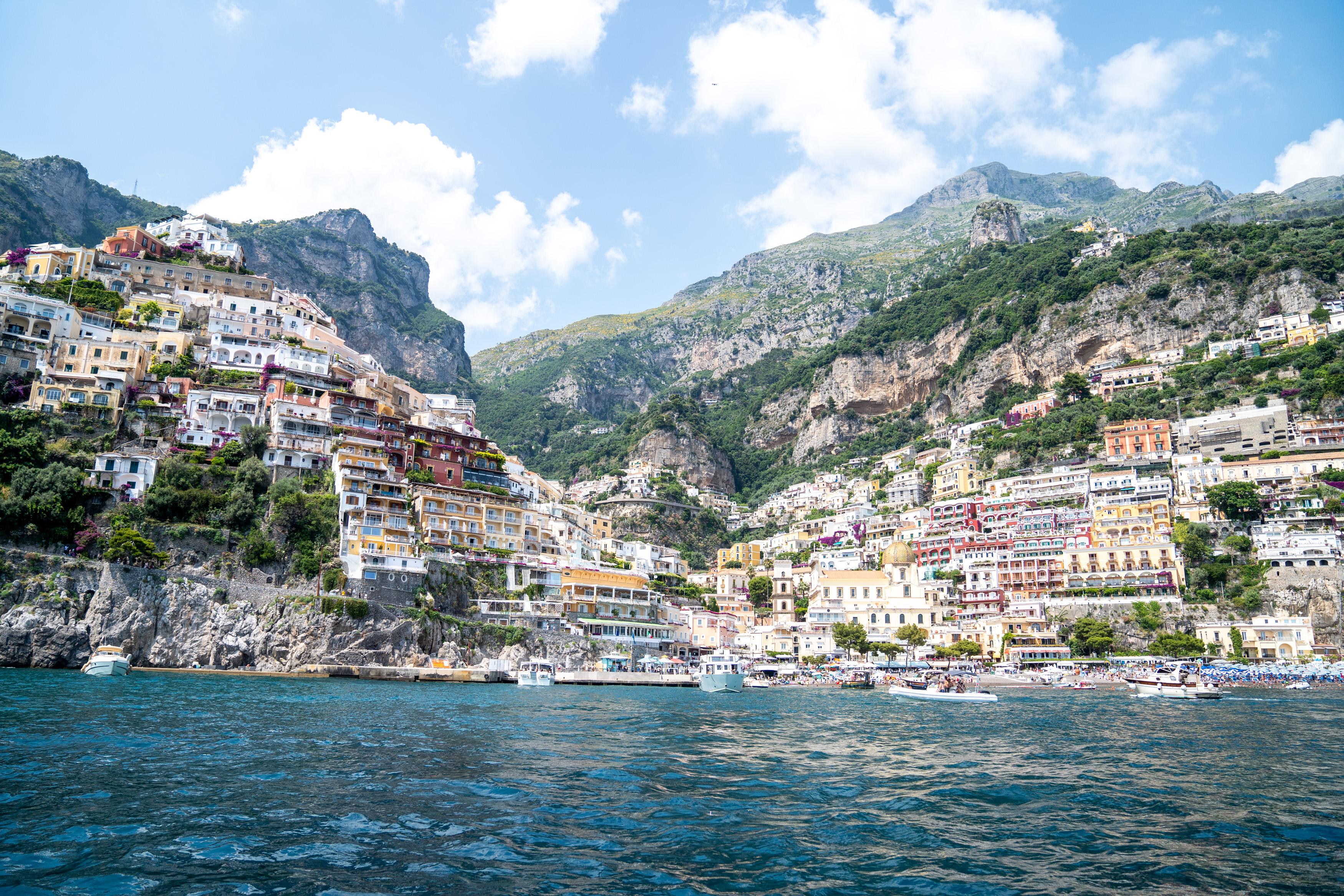
Amalfi Coast & Positano Small-Group Boat Tour with Snorkeling
- Expert local guide
- Small group
- Skip-the-line access
- Free cancellation
Blue Grotto Amalfi Coast Italy — Rowboat Entry & Sea Cave Tours
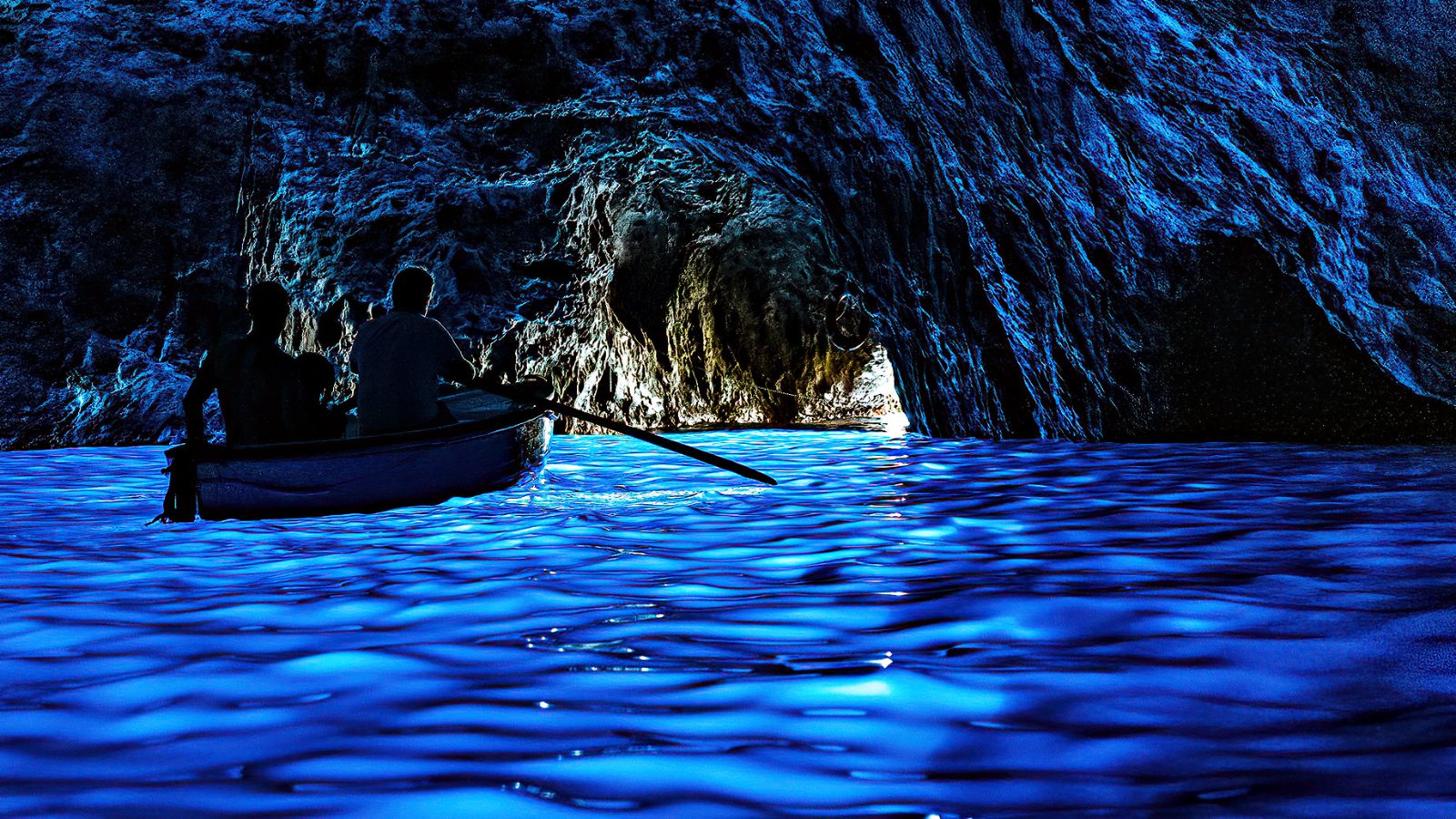
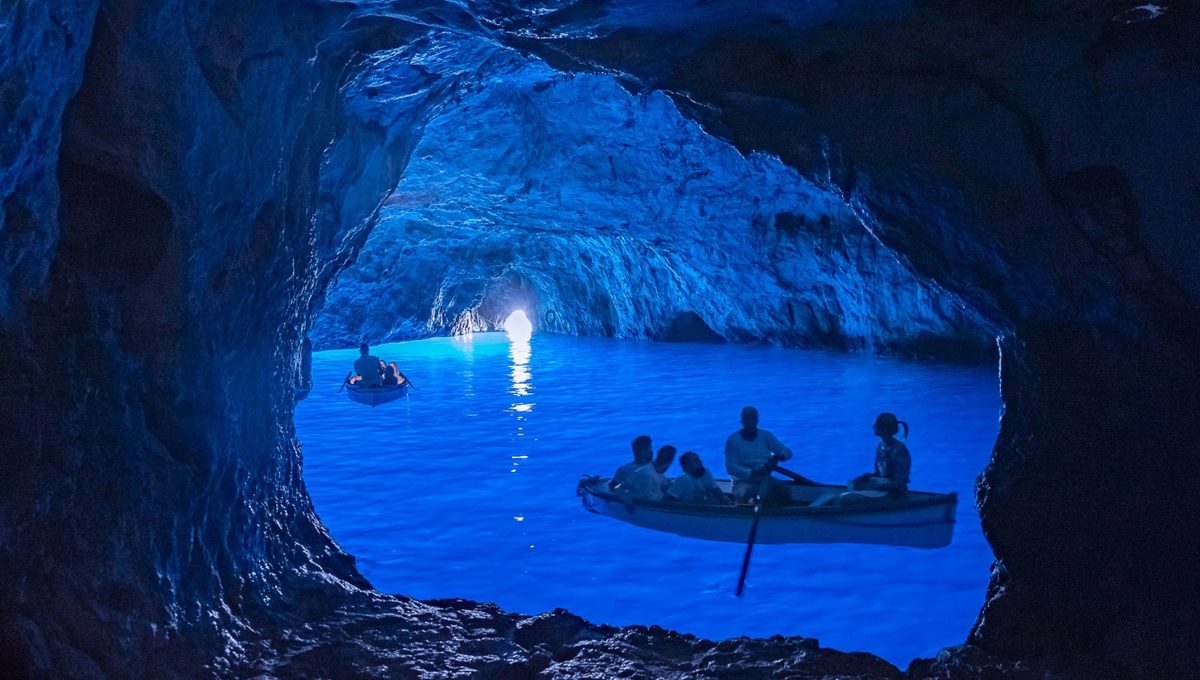
Sunlight refracts through Capri's limestone portal, igniting cobalt water in a natural cathedral of light
Compare fares, pick the fit — all bookings are mobile-voucher and eligible for free cancellation where shown.
8 hr
8 hr
6 hr
Worth it for the spectacle, not the duration
The blue grotto amalfi coast italy delivers a visual phenomenon you cannot replicate elsewhere—sunlight refracting through underwater cavities creates an otherworldly electric-blue glow that photographs rarely capture accurately. You pay €6 entry plus €14 per person for the mandatory rowboat transfer into the narrow cave mouth, bringing the real cost to €20. The experience itself lasts four to six minutes: you glide through the illuminated chamber, hear the boatman's echo-amplified song, then exit. That brief immersion justifies the cost if you value rare natural optical effects and accept the premium for Capri's logistical constraints. Skip it if you need longer experiences to feel satisfied, or if choppy seas risk closure after you've already traveled to the dock. For photographers hunting unique light and travelers building a complete Capri itinerary, the grotta azzurra earns its place; for budget-conscious visitors who measure value in time spent, the calculus is tighter.
Bottom line: The blue grotto amalfi coast italy tour rewards those chasing singular natural spectacles, provided you enter with realistic expectations about brevity and weather dependence.
The Blue Grotto is superior for those seeking the iconic cavern lighting, whereas the Green Grotto offers a more relaxed pace and natural emerald hues. Many travelers booking blue grotto amalfi coast italy tours find the Green Grotto serves as a quieter alternative to these famous limestone sea caves.
|
Top pick Blue Grotto |
Green Grotto | |
|---|---|---|
| Visual phenomenon | Electric blue glow | Emerald water reflections |
| Entrance accessibility | Restricted by sea state | Generally accessible |
| Crowd levels | High; long queues | Moderate; fewer visitors |
| Ease of entry | Requires small rowboat transfer | Easier boat access |
| Typical duration | 5–10 minutes inside | 15–20 minutes exploration |
| See tickets & prices |
Verdict: Choose the Blue Grotto for the unique light refraction, or opt for the Green Grotto to avoid crowds when securing blue grotto amalfi coast italy tickets proves difficult.
Hand-picked experiences loved by thousands of travelers
7 hours
Free Cancellation
Seven hours of Capri magic: glowing sea caves, hilltop panoramas, and bougainvillea-lined streets.
8 hours
Free Cancellation
Eight hours of pure Amalfi Coast magic — mythic islands, ancient harbor towns, and crystal-clear waters.
6 hours
Free Cancellation
Six hours of secluded coves, sea grottos, and sparkling prosecco along Italy's most iconic coastline.
Arrive at the ticket area early to secure your spot.
Wait for boat availability in the designated sea area.
Transfer from your tour boat to the small rowboat.
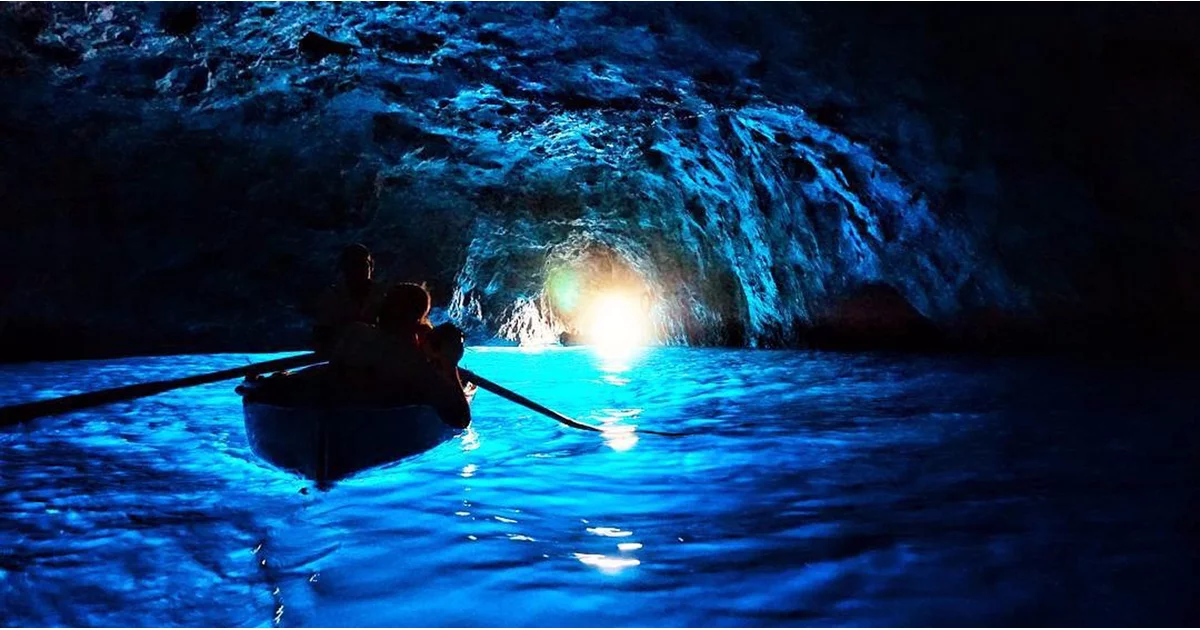
Enjoy the blue light of the blue grotto amalfi coast italy.
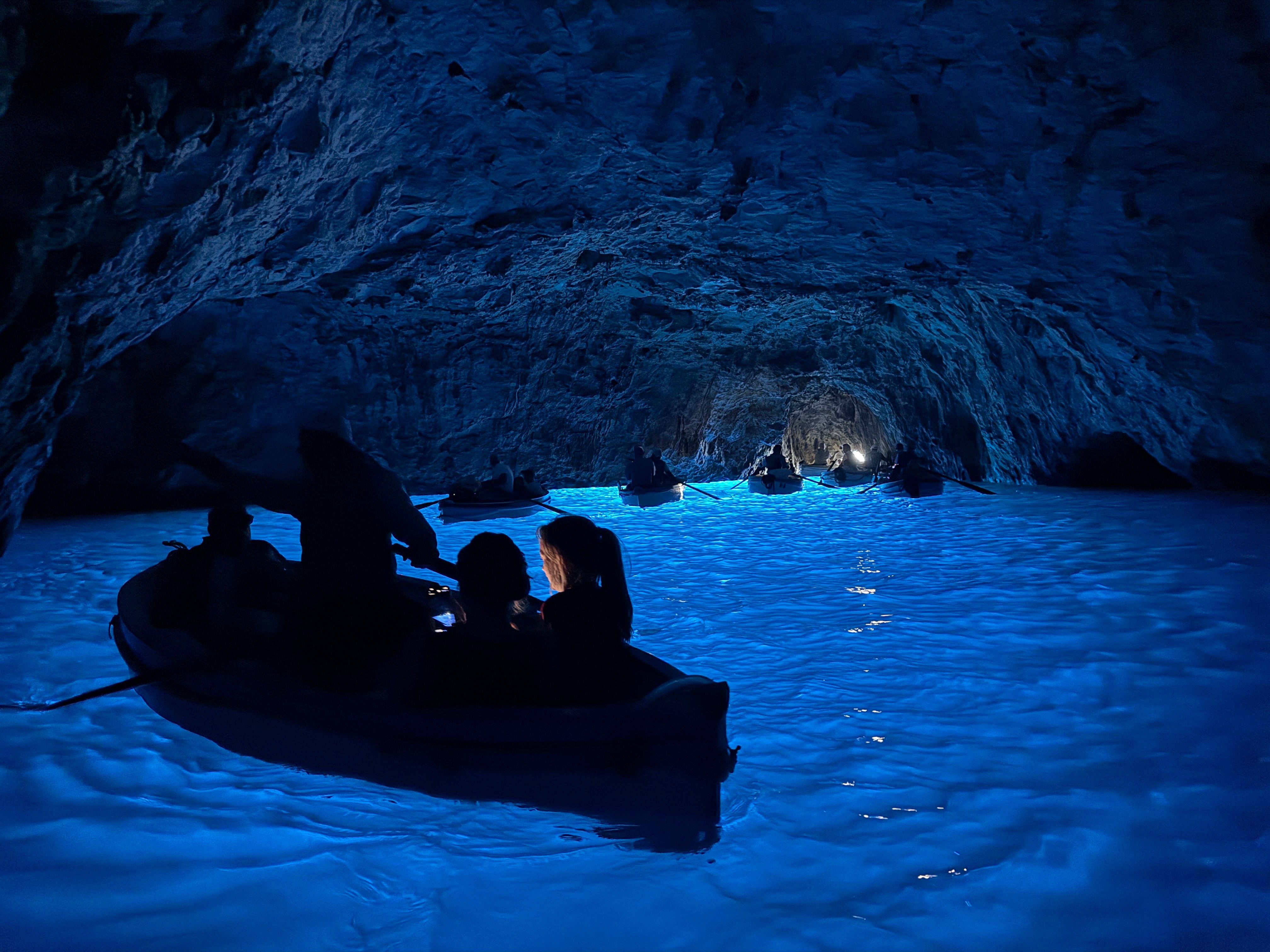
Sunlight filters through an underwater opening to create the famous electric-blue light that fills the cave.
The cave was historically used by the Roman Emperor Tiberius as his private pool and decorative grotto.
Visitors must lie flat in small rowboats to navigate the narrow, one-meter-high entrance.
Bubbles and water movement create flickering silver highlights against the deep sapphire walls of the cave.
The local boatmen skillfully guide you through the narrow aperture while navigating the swell.
You board a motorboat at Marina Grande or take the bus to Via Grotta Azzurra, where a floating platform bobbing in the Tyrrhenian serves as the staging point for blue grotto amalfi coast italy tickets. Wooden rowboats queue in the swell, each holding four passengers. Your oarsman gestures for you to recline as the boat approaches the cave mouth—the limestone aperture measures barely a meter tall, and mistiming the swell means a scraped hull or worse. You flatten against the boat's ribs, and the oarsman pulls a chain bolted into the rock, yanking the craft through the entrance between waves. Inside, the water ignites. Refracted sunlight saturates the chamber in cobalt, and when you dip your hand beneath the surface it glows silver. The boatman rows in a slow arc, narrating in Italian and broken English while the vaulted ceiling amplifies his voice. You have five minutes before he pulls the chain again and shoves the rowboat back through the portal into daylight. The shift from electric blue to ordinary Mediterranean glare feels abrupt, and the queue of waiting boats reminds you that three hundred thousand others chase the same five minutes each year.
All the details about your upcoming adventure in one place
The blue grotto amalfi coast italy is a sea cave accessible only by small rowboat through a narrow entrance when tides permit. Sunlight refracts through underwater openings, illuminating the cavern in electric blue hues that draw visitors from across the Mediterranean. Blue grotto amalfi coast italy tours operate from Marina Grande, with skilled rowers navigating the low stone archway into the luminous chamber where sapphire reflections dance across limestone walls.
A limestone aperture one meter high guards the entrance to the Blue Grotto Amalfi Coast Italy, forcing visitors to recline in wooden rowboats as oarsmen time their passage with the swell. The grotto—Grotta Azzurra in Italian—sits at sea level on Capri's northwestern coast, its fame rooted in a quirk of geology and optics discovered by German painter August Kopisch in 1826, though Roman emperors knew the cave two millennia earlier as evidenced by submerged statuary on its floor. Sunlight enters only through the submerged mouth of the cavern, refracting through fifteen meters of seawater before illuminating the chamber in electric blue. The effect depends on clear skies and calm seas—easterly winds or high tide seal the entrance, and the grotto closes without notice when conditions deteriorate. The cave measures fifty-four meters in length and extends twenty-five meters wide, with a vaulted ceiling rising fifteen meters above the waterline. Silica deposits on the limestone walls amplify the refracted light, and objects submerged in the water appear silver due to air bubbles trapped against their surfaces. The blue grotto amalfi coast italy tour operates from a dedicated dock in the frazione of Anacapri, accessible by bus from Capri town or Marina Grande. Rowboats accommodate four passengers plus an oarsman, and visits last approximately five minutes inside the chamber—enough time to circle the interior while the boatman sings a Neapolitan ballad to demonstrate the cave's acoustics. The site has been a compulsory stop on the Grand Tour since the mid-nineteenth century, appearing in lithographs by Giacinto Gigante and travelogues by Hans Christian Andersen, who described the light as 'the glow of molten sapphire.' The grotto receives over three hundred thousand visitors annually, most arriving between May and September when sea conditions favor entry. Conservation fees fund maintenance of the wooden dock and employment of the cooperative that rows visitors into the chamber, preserving a tradition unchanged since Bourbon-era Naples controlled the island. The cavern's fragility remains its defining constraint—motorized boats cannot enter, and groups larger than four require multiple rowboats. The blue grotto tour operates year-round in theory, but closures exceed sixty days annually due to wind, swell, or maintenance, making advance planning speculative at best.

Silica deposits on the limestone walls amplify the refracted light, and objects submerged in the water appear silver due to air bubbles trapped against their surfaces.
Wear light, comfortable clothing. As you must lie down in the rowboat, avoid loose accessories that could catch on the low entrance.
Keep valuables secure as the transfer to the small rowboat requires careful movement. Large bags are generally prohibited due to limited space.
Photography is difficult due to the low light and constant motion of the rowboats. Capture memories quickly so you can experience the blue grotto amalfi coast italy with your own eyes.
Children are welcome, though young children must be supervised closely during the boat transfer. The blue grotto amalfi coast italy experience may be overwhelming for infants.
The site is partially accessible. Access involves stepping from a larger boat or stairs onto a floating platform, then descending into a small rowboat.
No food or drink is permitted inside the grotto. Refreshments are available at nearby cafes in Anacapri.
Opening Hours
08:30–18:00
Address
Via Grotta Azzurra, 80071 Anacapri NA, Italy
Accessibility
Partially accessible
Best arrival window
08:30–09:30
Storage
Not available
Navigation
Accessible via sea or bus/foot from Anacapri
Public transport · 15 min · Small cost for bus ticket
Take the bus from Anacapri town center to the stop near the entrance. From there, follow the path down to the water.
Boat · 30 min · Varies by charter provider
Take a charter boat from Marina Grande directly to the floating platform of the blue grotto amalfi coast italy.
Entrance fee for the site is 6 EUR. Rowboat transport service fees are paid separately at the entrance.
Recommended time
1-2 hours
Planning your visit requires understanding that the actual time spent inside the cavern is brief, though queues for the rowboat transport service can extend your stay significantly. Visitors exploring the blue grotto amalfi coast italy should prioritize the morning hours to avoid peak congestion and potential tidal closures. Securing your blue grotto amalfi coast italy tickets early allows for a smoother experience, as local rowers navigate the narrow entrance once sea conditions permit. Those interested in blue grotto amalfi coast italy tours often find that mid-day brings higher maritime traffic and longer wait times for the limited entry vessels.
Crowd levels through the day
Weather · crowds · average price — dots go green to amber to red as each metric rises.
Mild weather and moderate crowds make spring ideal for blue grotto amalfi coast italy tours.
Expect high temperatures and peak crowds; visiting early is essential to avoid long waits.
Fewer crowds after September, though sea conditions can become more unpredictable.
Site closures are more frequent due to wind and rough sea conditions.
Arrive during the best arrival window of 08:30–09:30 to beat the midday rush.
Always bring cash, as rowboat service fees are separate from your blue grotto amalfi coast italy tickets and usually require cash payment.
The cave is frequently closed due to tides; check with your boat operator before departing for blue grotto amalfi coast italy tours.
The entrance is very low; remember to lie back fully in the rowboat to ensure safety.
The time inside is brief; focus on the atmosphere rather than perfect photography.
Via Grotta Azzurra, 80071 Anacapri NA, Italy
Main boarding area for rowboats
Get directionsThe blue grotto amalfi coast italy served as a nymphaeum for Emperor Tiberius during the first century AD. Roman engineers carved marble statues into the cave walls and built a submerged tunnel connecting the grotto to the imperial villa perched above Capri's cliffs. Archeological digs in the 1960s recovered fragments of Neptune and Triton sculptures from the seabed, confirming the site's function as a sacred bathing chamber where the emperor entertained guests beneath the luminous blue ceiling. Local fishermen avoided the cave for centuries after Rome's collapse, spreading legends that demons inhabited the water. German poet August Kopisch and painter Ernst Fries rediscovered the grotto in 1826 with guidance from fisherman Angelo Ferraro. Kopisch published an account describing the otherworldly sapphire light created by sunlight refracting through the underwater entrance. His essay circulated across European salons and triggered the first wave of Romantic-era tourism to Capri. By 1830, rowboat operators had established the transfer system still used today, ferrying visitors from motorboats into the low cave opening on wooden skiffs. The Italian government assumed management in 1934 and imposed the six-euro entrance fee to fund preservation work. Storm damage in 1953 widened the natural opening by two meters, briefly increasing light penetration until engineers restored the original aperture width. Modern blue grotto amalfi coast italy tours face closure whenever wave heights exceed fifty centimeters, a restriction added after three boats capsized in 1978. The cave's intense cobalt glow persists only during midday hours when the sun angle allows maximum refraction through the sixty-meter underwater cavity that feeds light into the chamber.
Emperor Tiberius transforms the cave into a private nymphaeum with marble sculptures and a submerged access tunnel.
German poet August Kopisch and painter Ernst Fries rediscover the grotto with local fisherman Angelo Ferraro, publishing accounts that ignite European tourism.
Rowboat operators establish the small-boat transfer system to navigate the low cave entrance, a method still in use today.
The Italian government assumes site management and introduces entrance fees to fund ongoing preservation.
Storm damage widens the natural opening before engineers restore the original dimensions to preserve light conditions.
Archeological excavations recover Roman-era Neptune and Triton statue fragments from the seabed, confirming imperial use.
Three boat capsizing incidents lead to new wave-height closure protocols that remain enforced.
Real experiences from real travelers
Arrived at Marina Grande around 9am and waited 45 minutes to board. The blue grotto amalfi coast italy delivers on its reputation—the water inside glows like liquid sapphire. Our boatman sang opera while rowing, which added to the atmosphere. The actual time inside is brief, maybe 5 minutes, but the color is unlike anything I've seen in nature.
Took the first boat at 8am to avoid crowds. The sunlight angle in early morning makes the blue illumination even more intense. The entrance is so low you have to lie back in the boat. Our guide explained how Romans used this grotto as a bath. Water temperature was surprisingly warm when I touched it.
The electric blue water phenomenon happens because sunlight enters through an underwater cavity and illuminates from below. Photography is difficult in low light but the memory stays with you. Boat rocks significantly while waiting your turn outside. Sea was choppy but the blue grotto amalfi coast italy tours operate unless conditions are dangerous.
The cave itself is spectacular—the blue is more vibrant than photos suggest. However you get perhaps 3-4 minutes inside before the boatman rows you back out. At 15 euros per person just for the rowing portion, it feels expensive for such a short experience. Still, the Grotta Azzurra is a unique geological feature worth seeing once.
Visited on a calm July afternoon. The sapphire luminescence inside the grotto is caused by sunlight refracting through seawater—our guide said the effect is strongest between 11am and 2pm. The narrow entrance adds drama. Limestone walls inside are smooth from centuries of erosion. Capri island has many caves but this is the most famous for good reason.
The blue grotto amalfi coast italy exceeded expectations despite the hype. Water clarity is incredible—you can see straight down to the white sand bottom which reflects light back up. Our boatman timed the entrance perfectly between waves. The cave is larger inside than it appears from outside, with high vaulted ceiling.
That shade of blue doesn't seem real until you see it in person. The grotto stays around 15°C inside year-round according to our guide. Stalactites hang from the ceiling and the acoustics made our guide's voice echo beautifully. Weather closed the cave the previous two days so we felt fortunate. Book blue grotto amalfi coast italy tickets in advance during summer.
Smooth crossing from Marina Grande took about 10 minutes. The boatmen are skilled at navigating the swells near the entrance. Inside, the blue light is so bright it illuminates faces from below. Ancient Romans carved a landing platform inside that's still visible. The cave extends back about 60 meters with water depth reaching 150 meters in places.
The famous blue grotto amalfi coast italy was the best part of our Capri day trip. Water color is caused by the unique combination of cave structure and mineral content. Our boat held six passengers plus the rower. Entrance technique requires precise timing with wave rhythm. The glow is natural, not artificially enhanced, which makes it more impressive.
The Tyrrhenian Sea enters through two openings—one above water that's barely 1 meter high, and one submerged opening that filters the sunlight. This creates the electric blue effect. Cave was discovered by fishermen though Romans knew about it. Boats queue single-file outside the entrance. The blue grotto amalfi coast italy tours run daily when sea conditions permit, typically April through October.
Everything you need to know for your journey
The blue grotto amalfi coast italy is open daily from 08:30–18:00.
Access is difficult and not fully accessible; you must be able to transfer from a boat into a small rowboat.
Yes, the entrance fee is 6 EUR, but you must pay an additional fee for the rowboat transport service on-site.
Private boats must adhere to local regulations and remain outside the cave, transferring passengers to authorized rowboats.
The best arrival window is 08:30–09:30 to minimize queue wait times for the blue grotto amalfi coast italy.
No, there are no lockers at the site, so keep your belongings with you or in a secure bag.
The entrance fee is paid on-site, but you can book transport tours for the blue grotto amalfi coast italy in advance.
The site closes frequently due to high winds or rough seas which make the low entrance unsafe.
The time inside the blue grotto amalfi coast italy is about five minutes.
If the sea is too rough, the grotto closes for safety; always check local conditions before your journey.
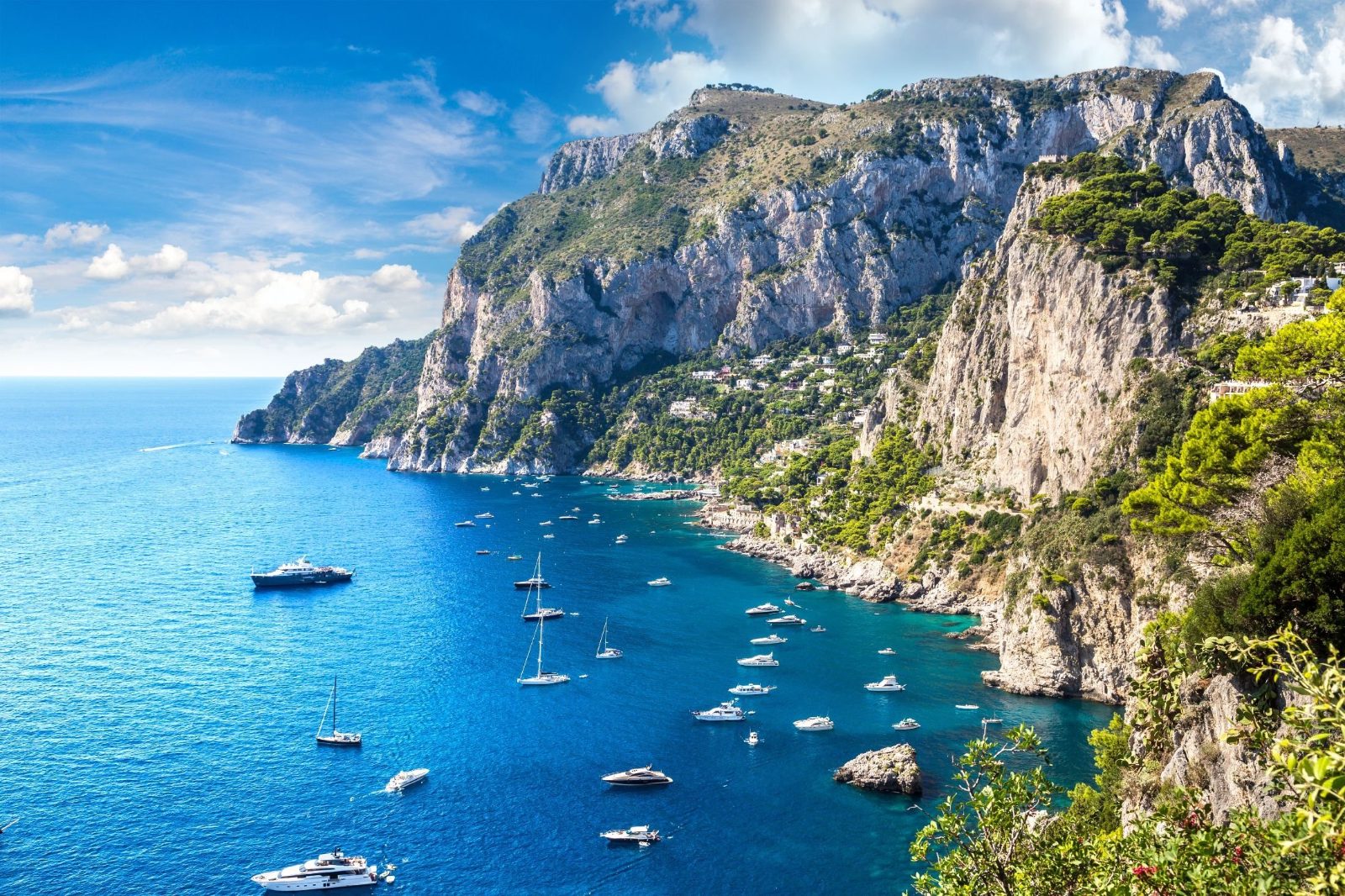
Access the mountain via chairlift for sweeping coastal vistas of the blue grotto amalfi coast italy region.
A historic villa and garden built by Axel Munthe overlooking the coastline.
Stunning botanical gardens offering views of the famous Faraglioni rocks.
A historic winding path carved into the cliffside offering dramatic sea views.
Convenient access to local bus lines and shopping districts.
Upscale hotels near the Piazzetta and shopping streets.
Hotels close to the main ferry port and boat departures.
Join thousands of happy travelers who have discovered this incredible experience
Book Your Experience Now