May–June
Pleasant, 20°C to 25°C
Moderate tourist activity
Warm enough for coastal exploration without peak heat.
Explore terraced vineyards, UNESCO-listed towns, and turquoise coves along Italy's most dramatic coastline.
The Amalfi Coast produces more than half the world's sfusato lemons on terraces built by hand between the tenth and thirteenth centuries.
Those same stone retaining walls now frame thirteen clifftop towns and 12,000 hectares of protected landscape, recognized by UNESCO in 1997 for the way human settlement shaped a coast too steep for conventional agriculture.
The geography is unforgiving. The Lattari Mountains rise nearly 1,500 meters within three kilometers of the shoreline, leaving no flat ground between summit and sea. Medieval builders responded by cutting staircases into rock, layering houses vertically, and suspending lemon groves on engineered terraces. The result is a coastline where verticality defines daily life: streets become stairs, farms become balconies, and every view stacks sea, stone, and citrus in compressed planes.
Amalfi Coast Tours typically begin with the coastal road, a 50-kilometer ribbon that connects Sorrento to Salerno through Positano, Amalfi, and Ravello. Private drivers navigate the 1,200 curves while guided excursions pause at ceramic workshops in Vietri sul Mare and terraced vineyards above Furore. Boat Tours launch from Positano and Amalfi, threading through sea arches to reach the Emerald Grotto and secluded coves where limestone cliffs meet turquoise water. Day trips from Naples and Rome offer compressed itineraries that pair the coast with Pompeii or Herculaneum, while Cooking Classes in Ravello and Praiano focus on colatura di alici, handmade scialatielli, and desserts built around candied lemon peel.
The coast rewards travelers who move slowly. Sunset Cruises from Positano time their return to the hour when pastel facades turn apricot and pink. Vespa Tours climb to mountain villages invisible from the shore. Private Tours adapt to the traveler's interests, whether that means ceramics, wine, or simply finding a beach without a crowd. The Amalfi Coast is not a single destination but a sequence of vertical towns, each clinging to its own segment of cliff, each offering a different angle on the same improbable geography.
“The Amalfi Coast is a landscape where human settlement defied gravity, turning sheer cliffs into terraced gardens and vertical rock into layered towns.”
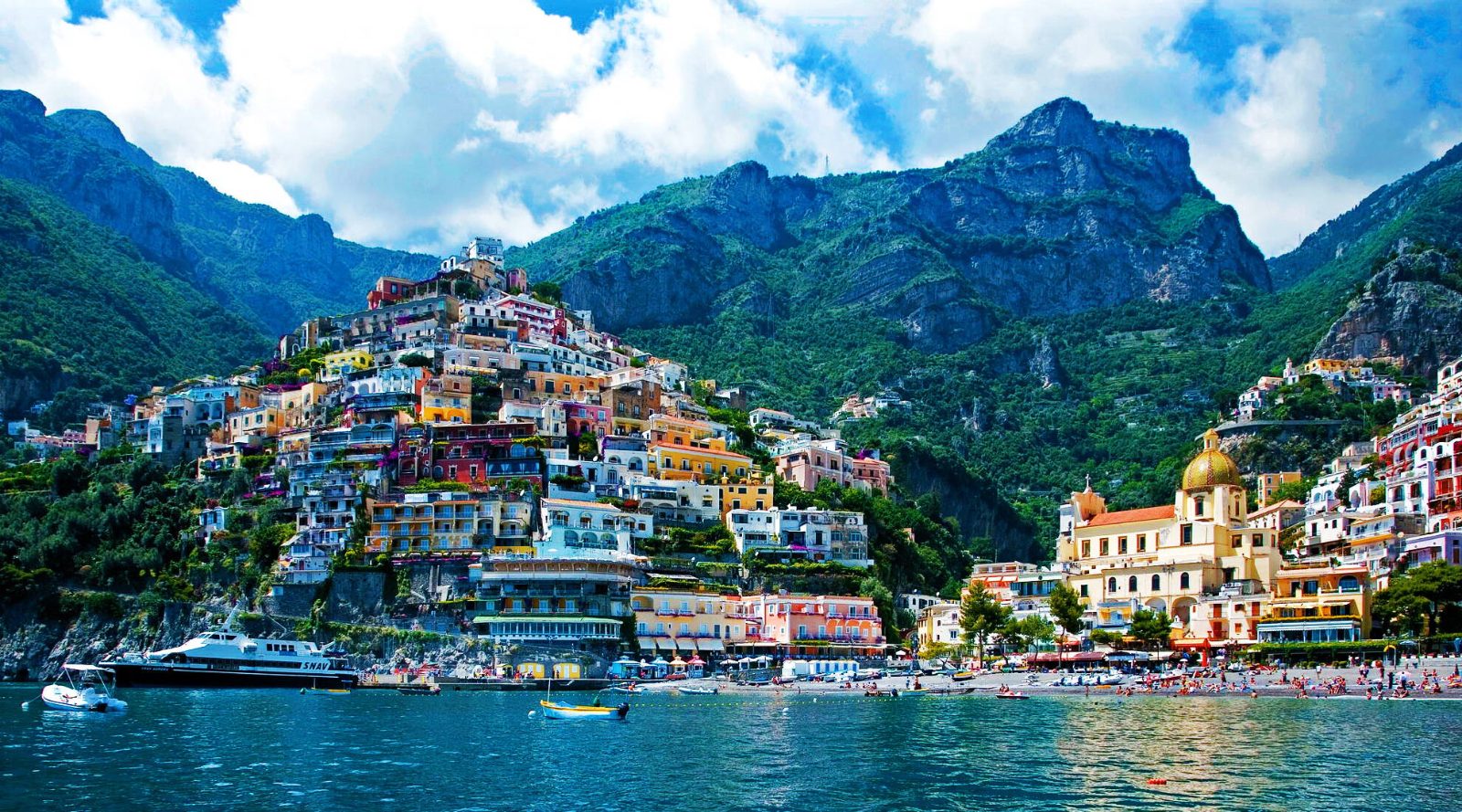
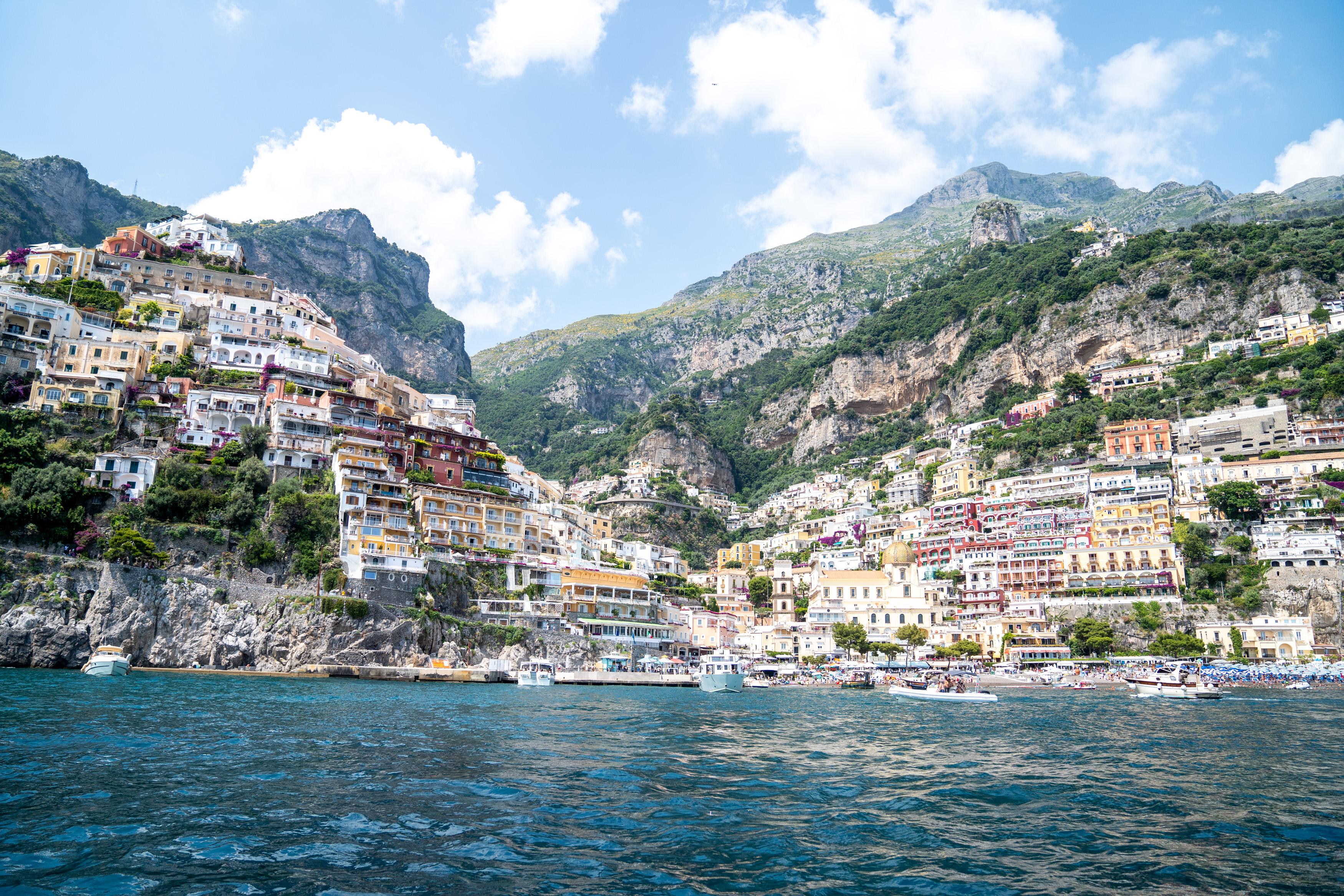
Pastel-painted houses cling to near-vertical slopes, connected by staircases and terraced gardens that descend to hidden beaches.
Azure sea caves and secluded coves are best reached by water, with excursions departing daily from Positano, Amalfi, and Sorrento.
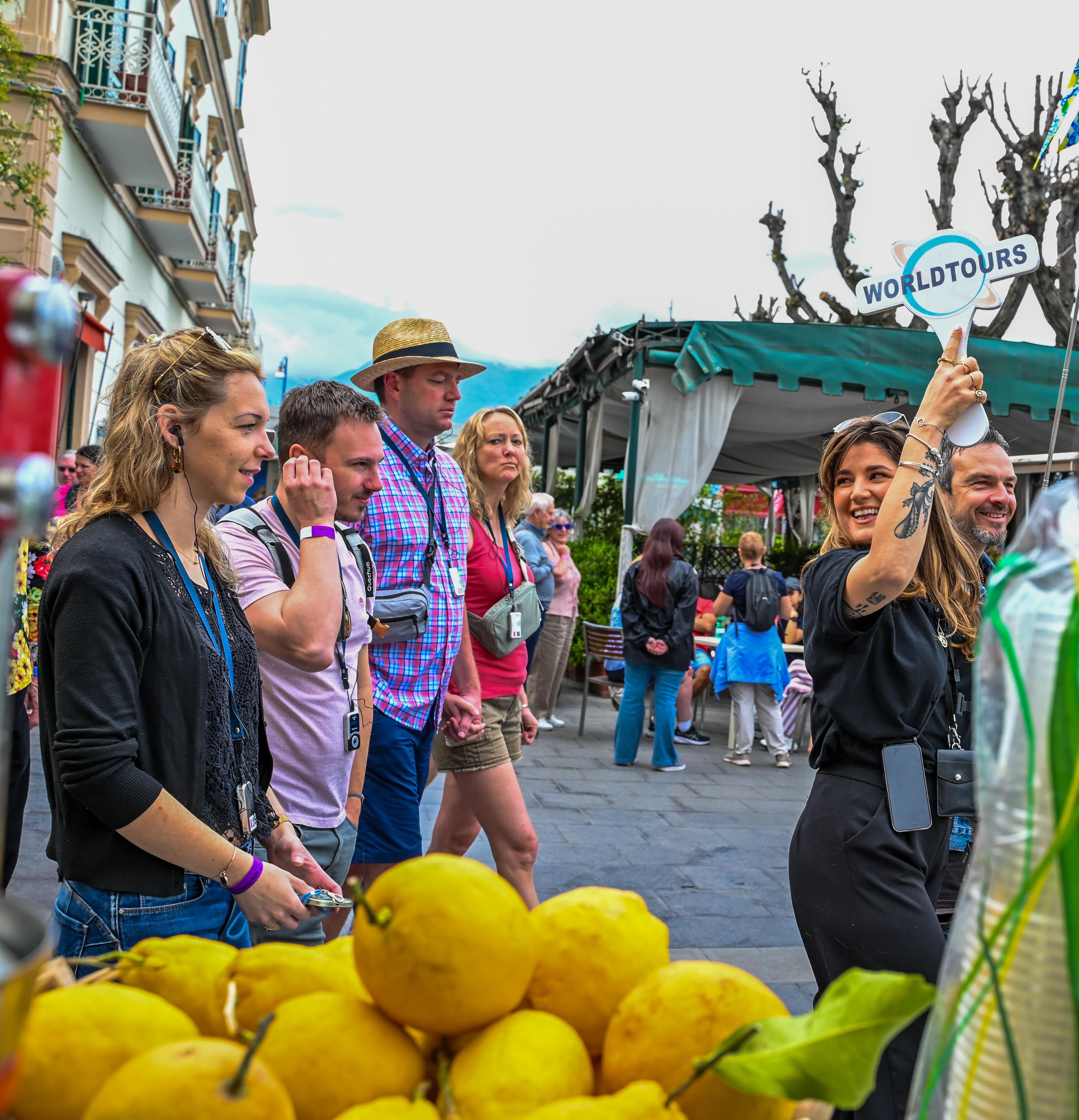
Sfusato lemons grow on centuries-old stone terraces, producing limoncello, preserved peels, and the base for coastal pasta dishes.
The Amalfi Coast delivers its drama through clifftop drives, boat access to hidden coves, and villages stacked like terraces above the Mediterranean. These tours sort into transfers that handle logistics, boat excursions that reveal coastline inaccessible by road, day trips connecting Naples or Rome to multiple towns, and specialist experiences—cooking workshops, Vespa rides, guided drives with local insight. Choose based on your starting point and whether you want water views, overland flexibility, or hands-on immersion in coastal culture.
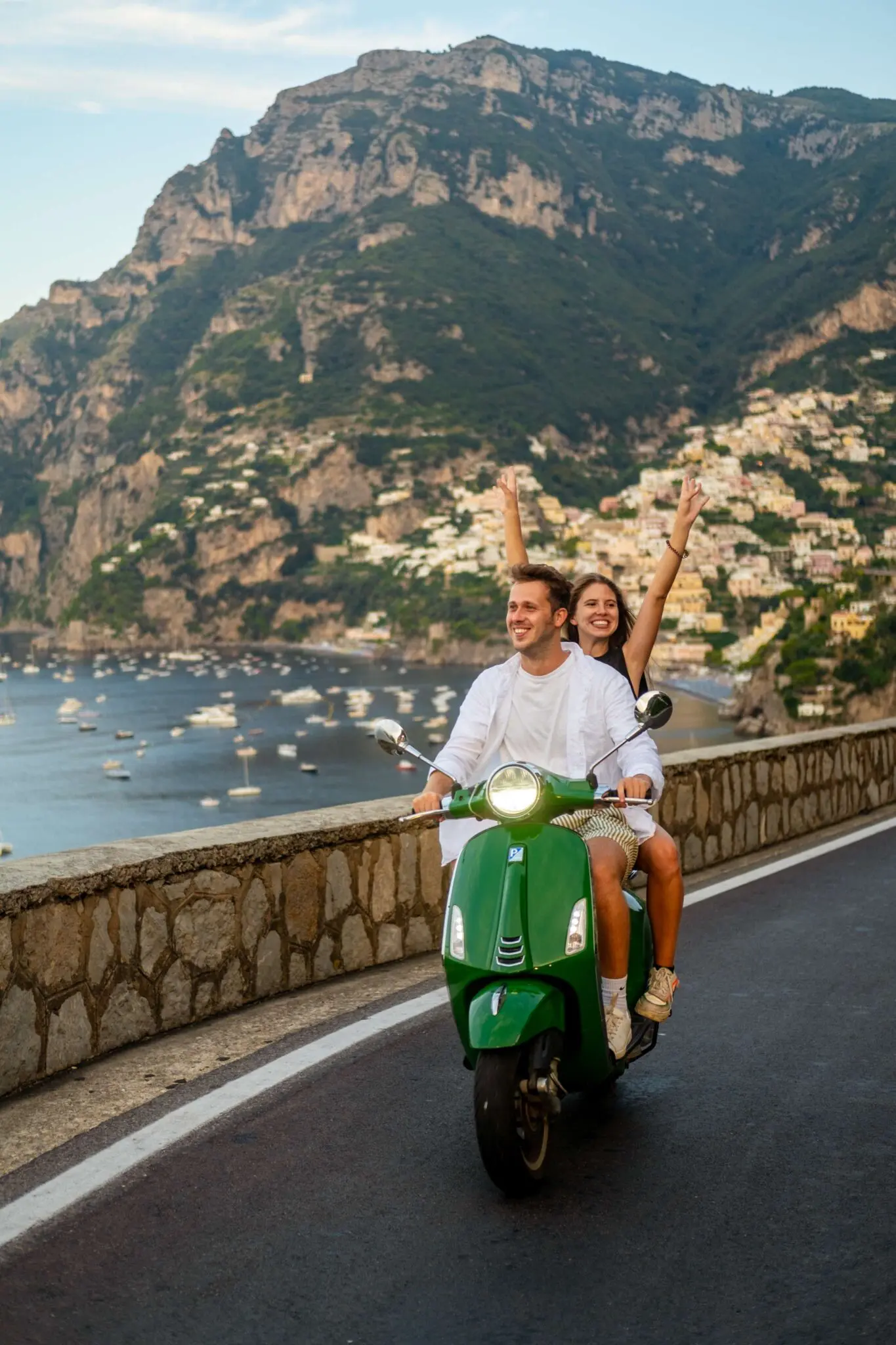 Vespa Tour
Self-drive Vespa convoys threading hairpin curves between coastal towns, with guides leading stops at ceramic workshops and cliffside overlooks.
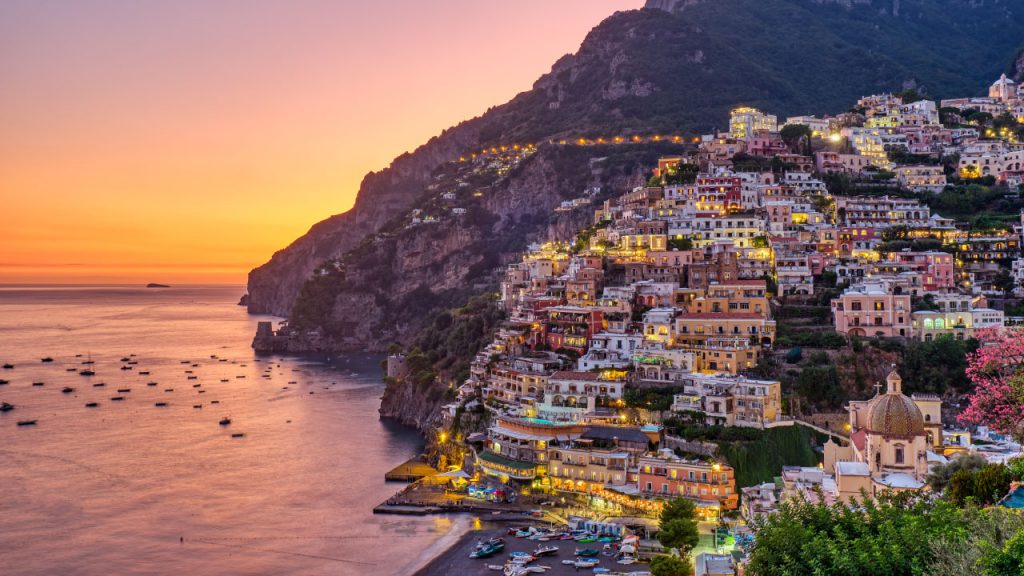 Boat Tour
Evening departures that time arrival at offshore viewpoints as the sun drops behind cliffs, turning limestone villages amber and pink.
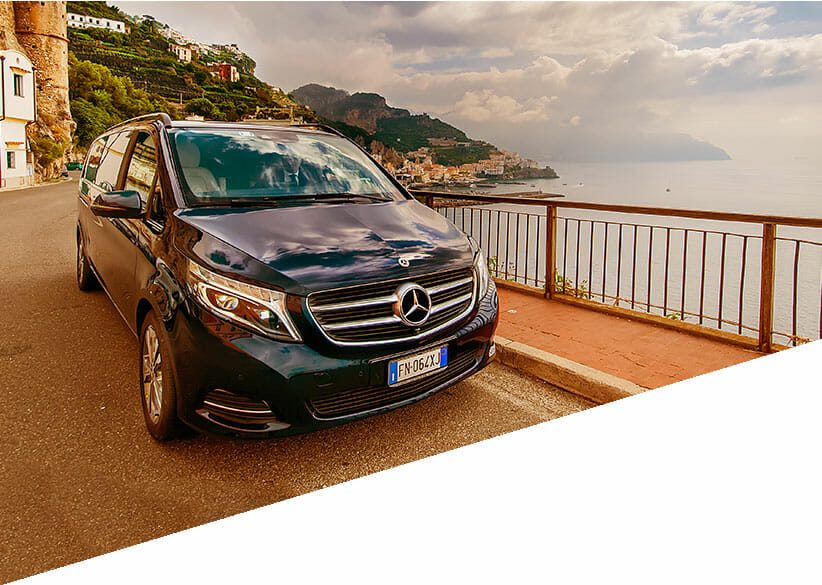 Transfer
Direct point-to-point shuttles between Naples or Salerno airports and coastal hotels, bypassing SITA bus schedules and luggage constraints.
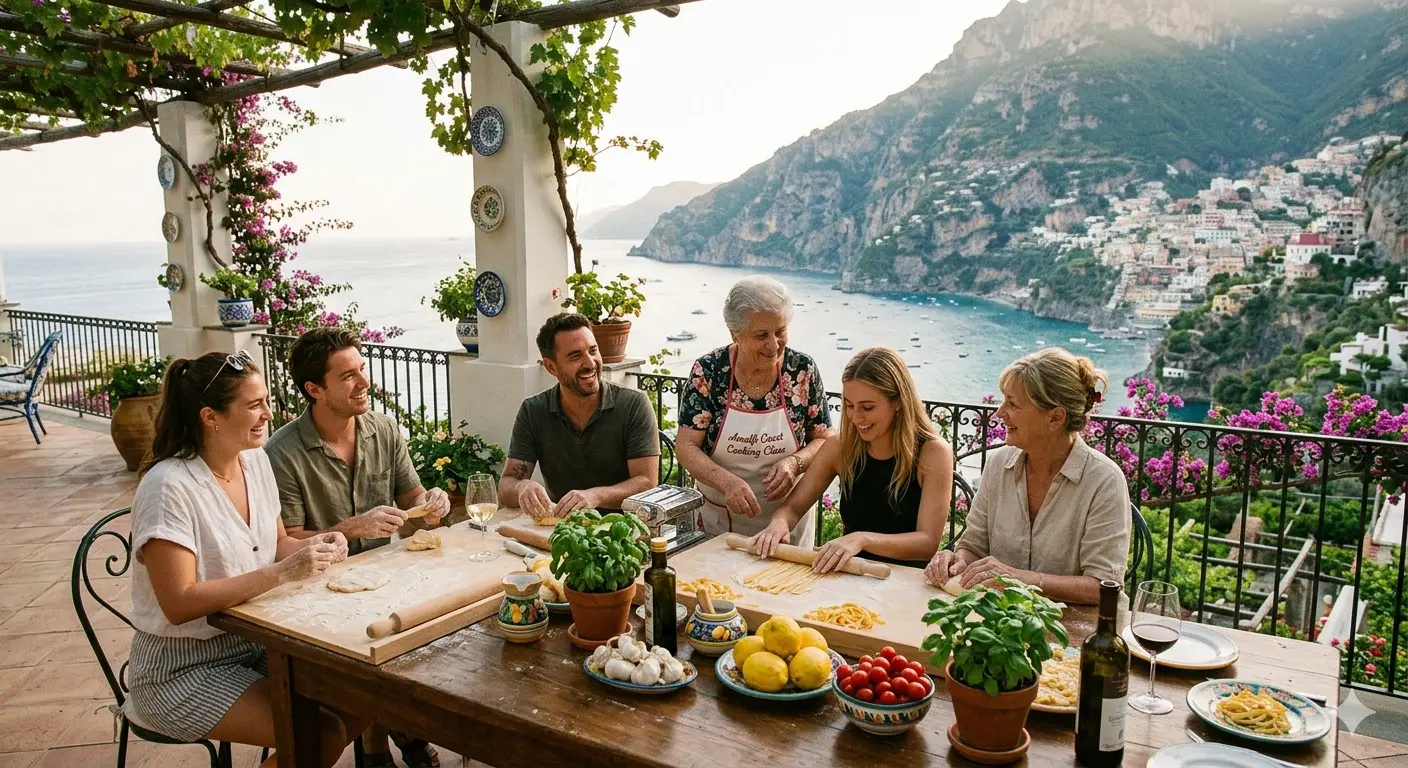 Cooking Class
Hands-on pasta rolling and lemon dessert workshops in family kitchens, ending with group lunches overlooking hillside lemon groves.
 Combo Tour
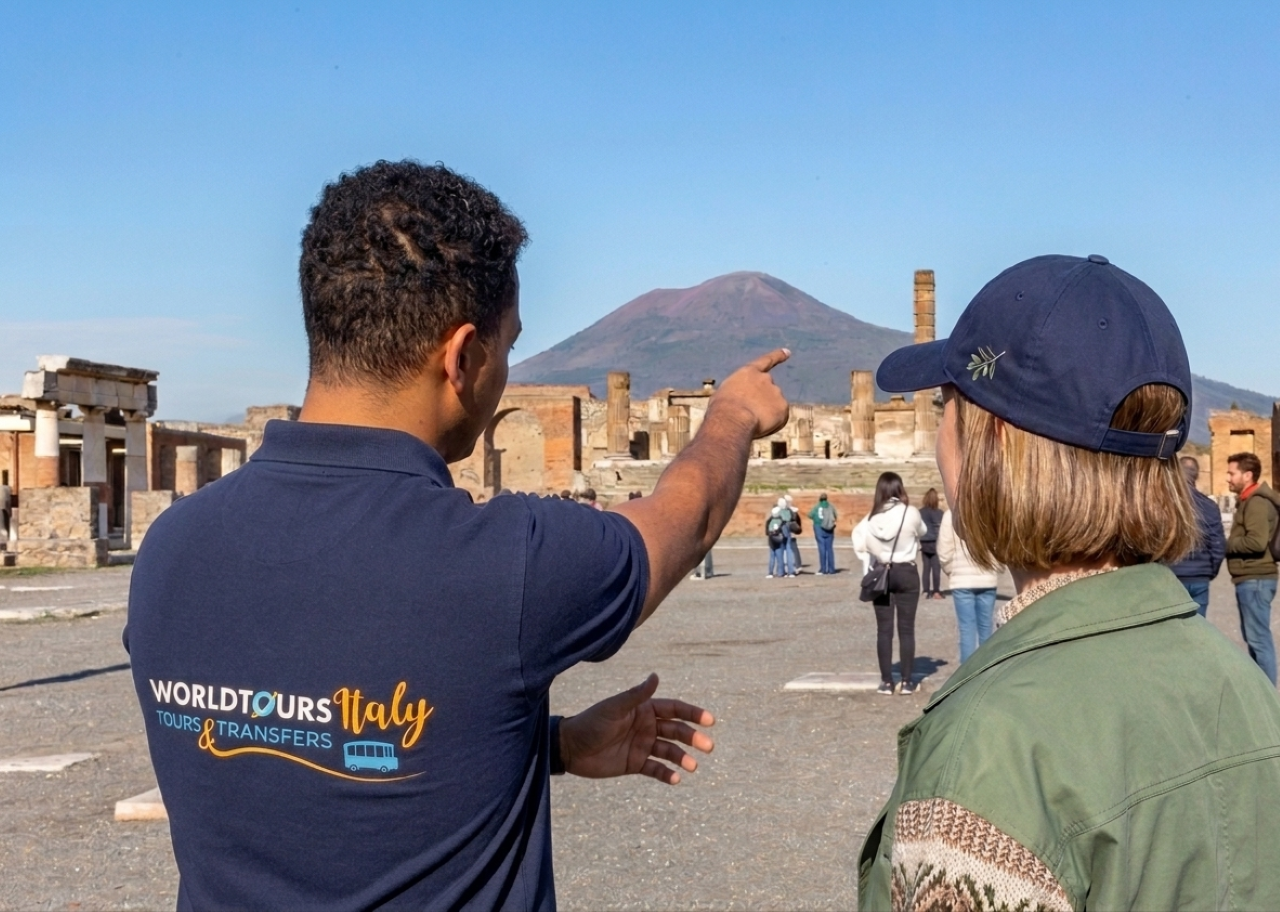
Combined tickets linking excavated Roman streets in Pompeii with same-day coastal stops, covering two UNESCO zones in one transport loop.
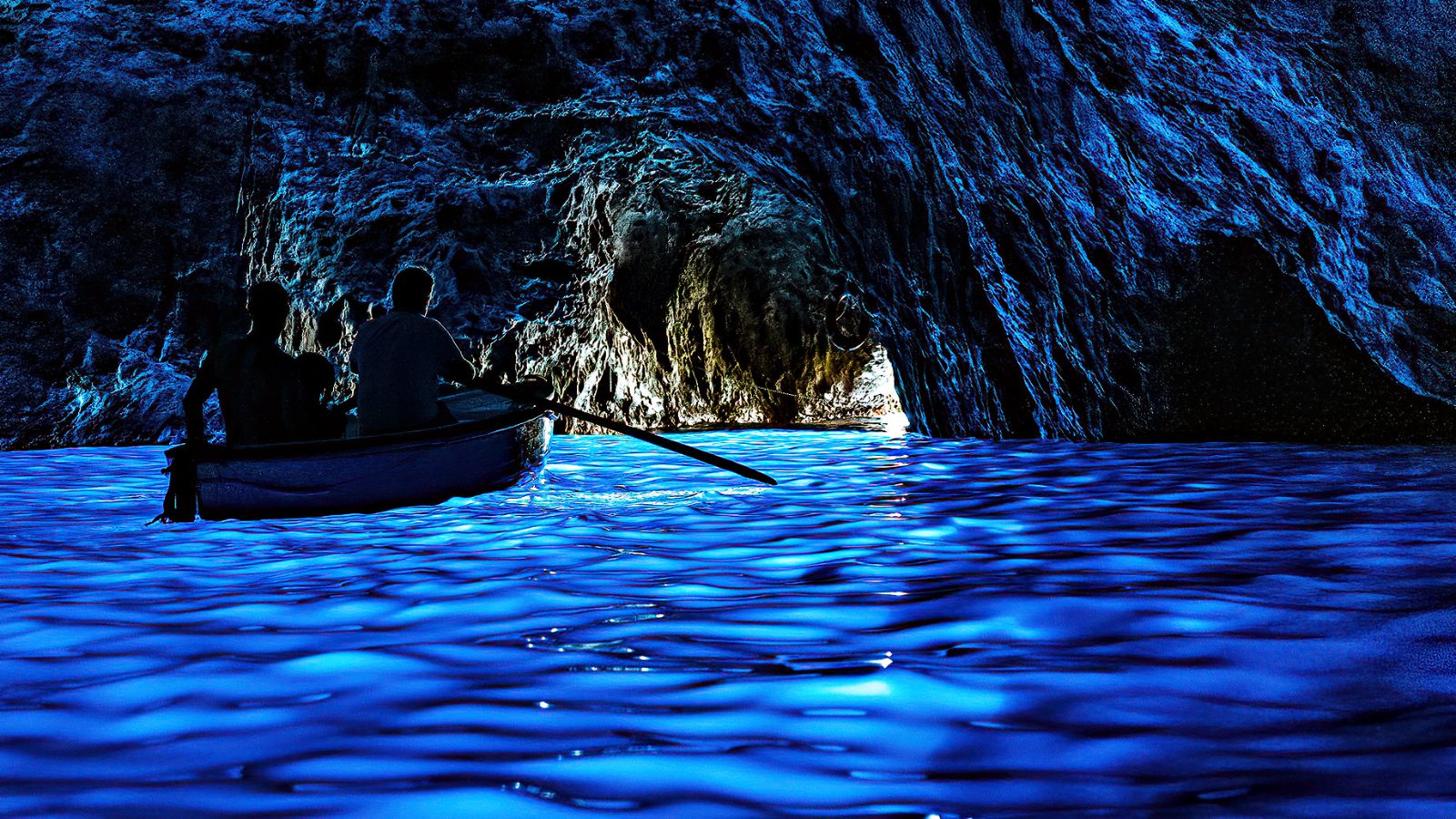 Boat Tour
Small-boat entry into Capri's Blue Grotto sea cave, where sunlight refracts electric blue through underwater limestone openings.
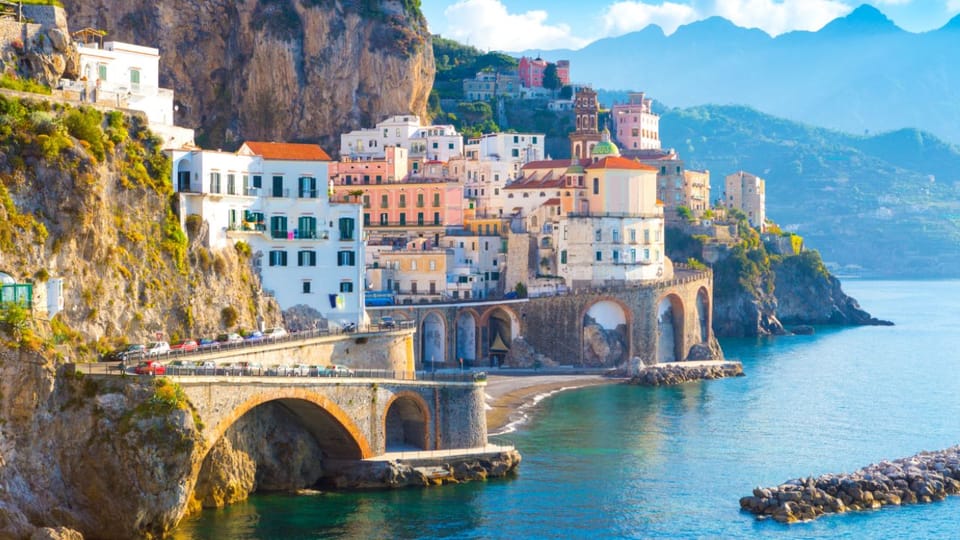 Day Trip
Long-haul day trips covering Positano, Amalfi town, and Ravello in one sweep, departing early from Rome with highway transfers and coastal stops.
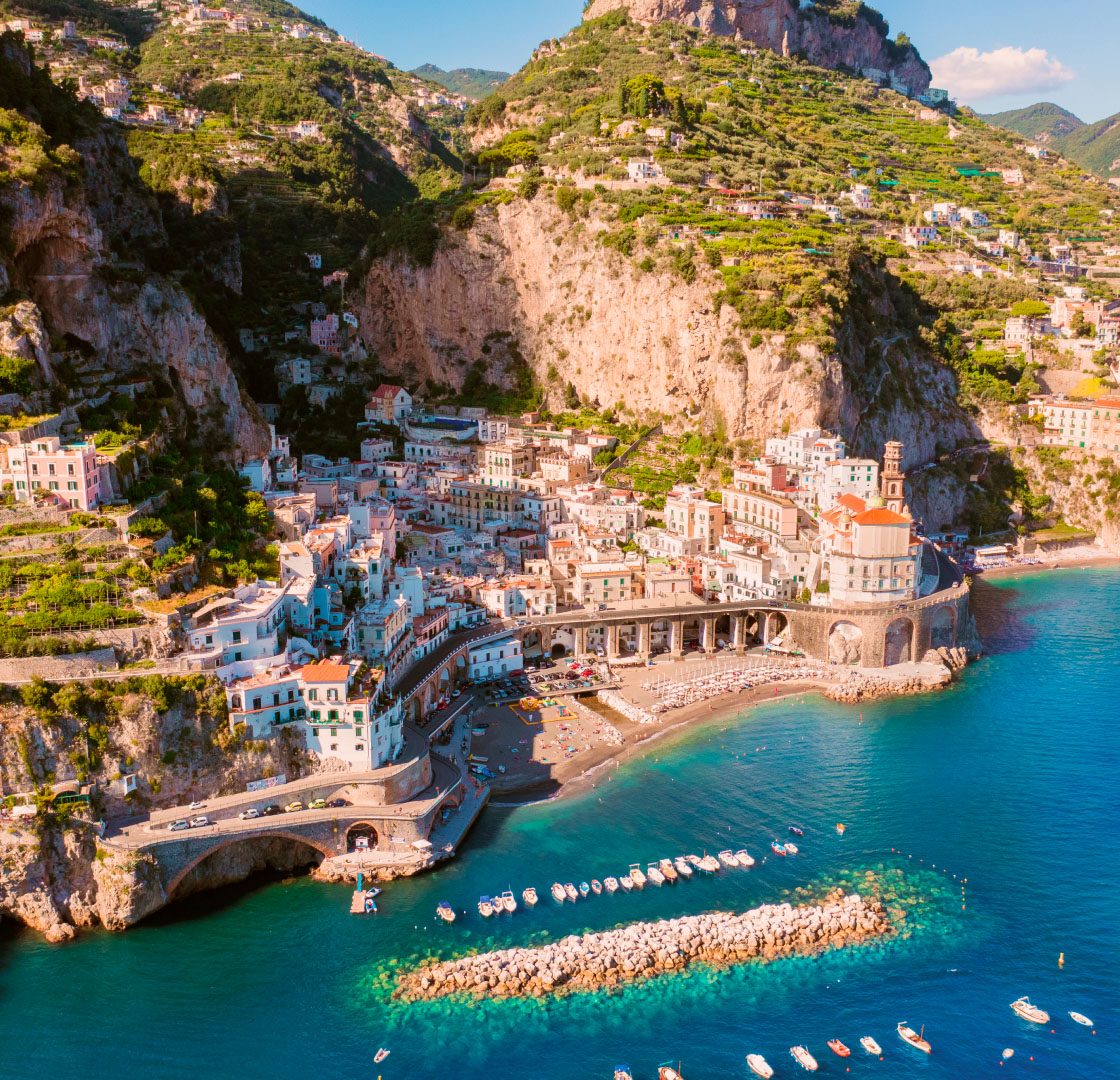 Private Tour
Chartered vehicles with flexible itineraries, allowing extended photo stops at Ravello's Villa Cimbrone terraces or detours into Furore's fjord.
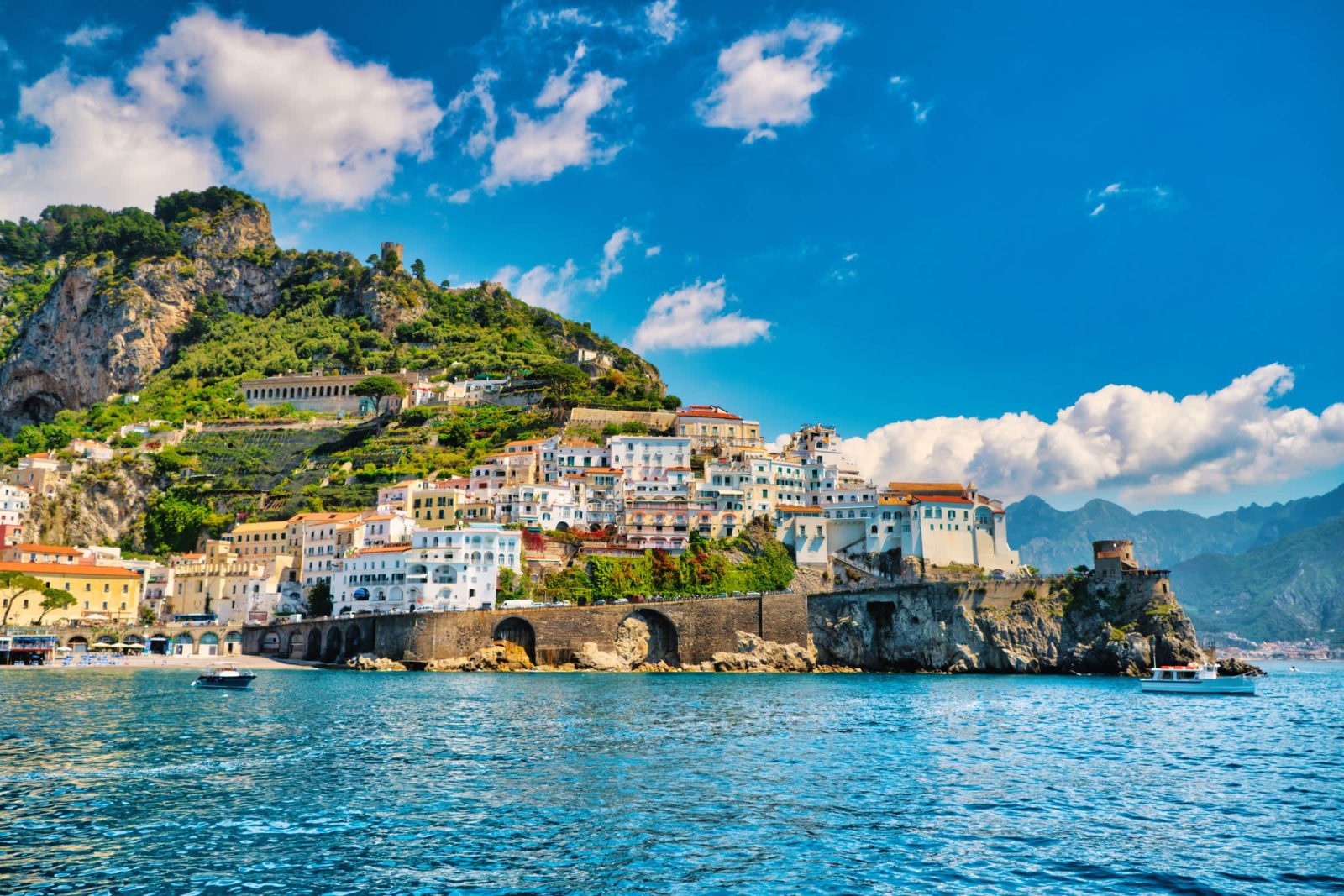 Day Trip
Half-day loops from Sorrento tracing the SS163 to Positano and Amalfi, with shorter drives than Naples or Rome departures.
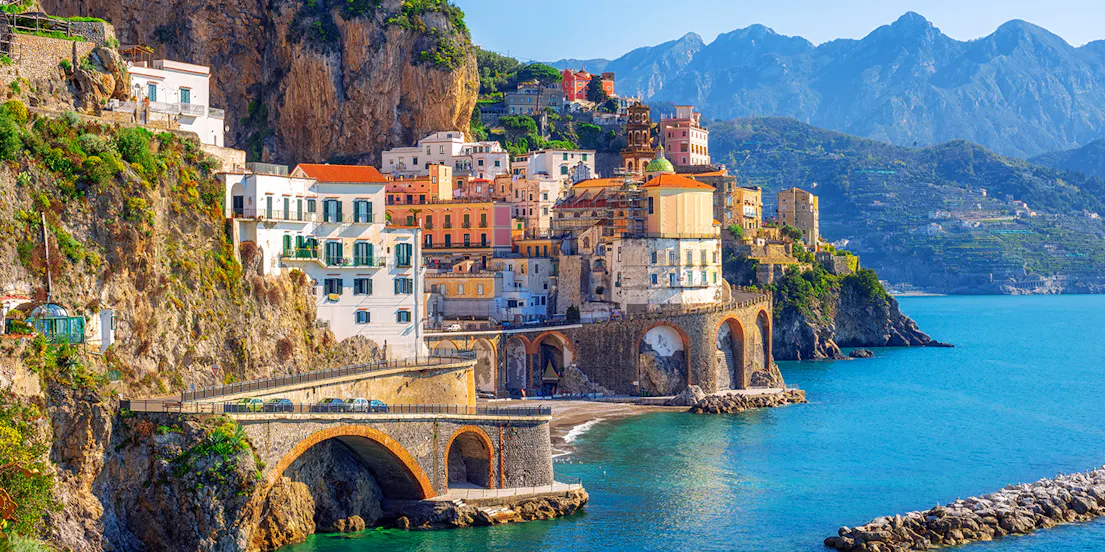 Day Trip
Shorter drives from Naples hitting Positano, Amalfi, and optional Pompeii, with guides narrating history along the SS163 coastal road.
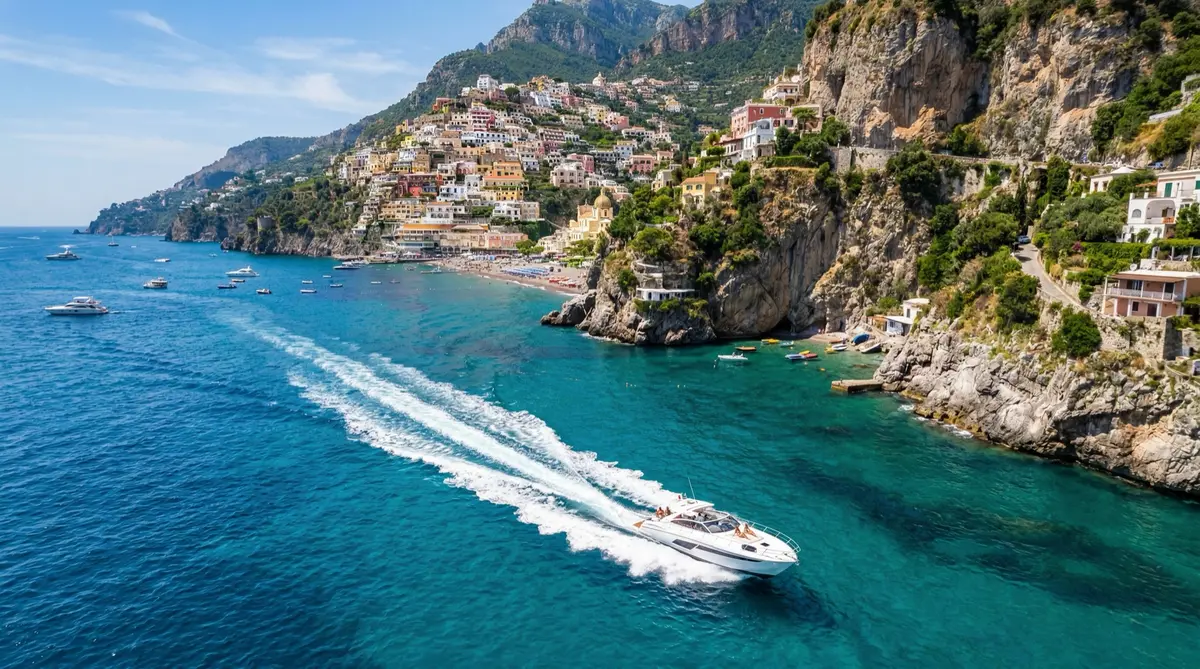 Boat Tour
Coastal cruises past Positano's pastel facades and Li Galli islets, with swim stops in secluded bays and deck-served prosecco.
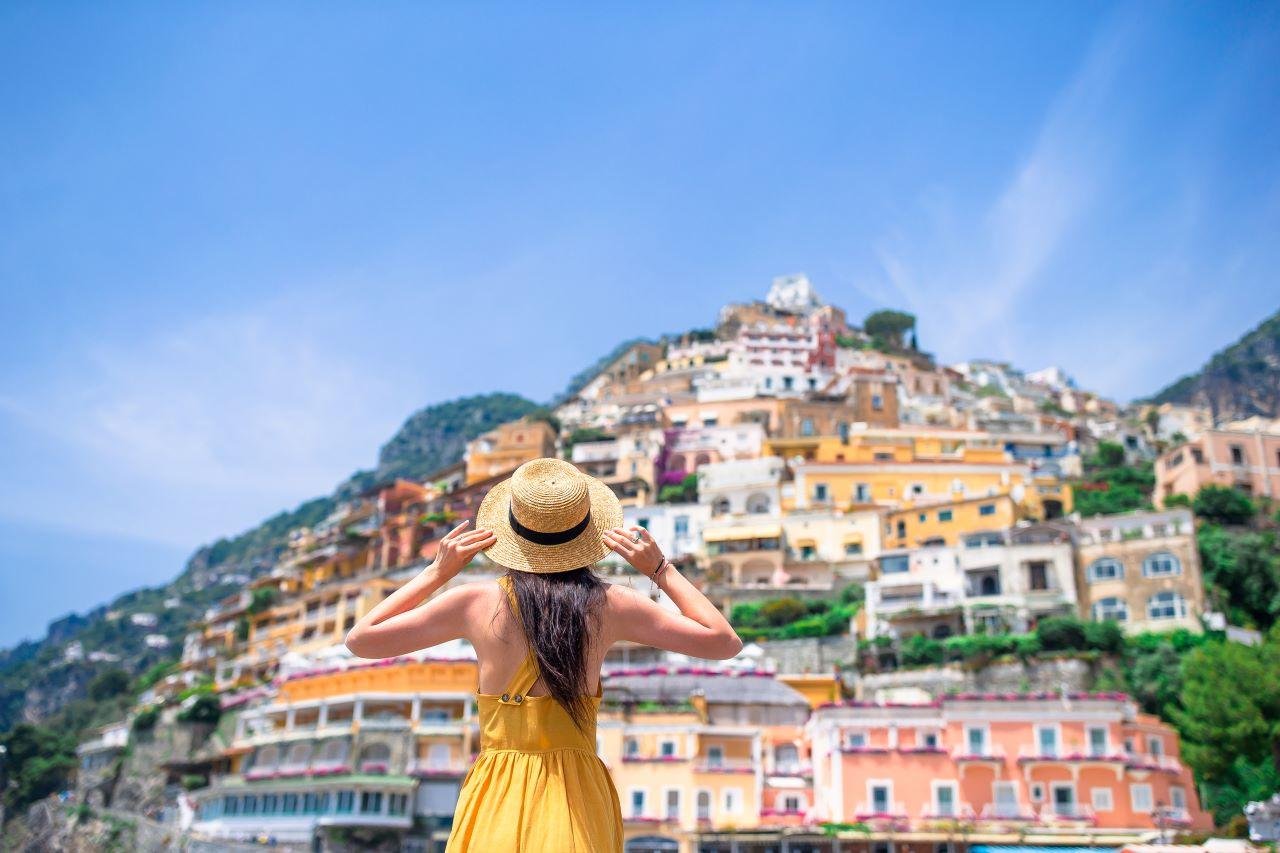
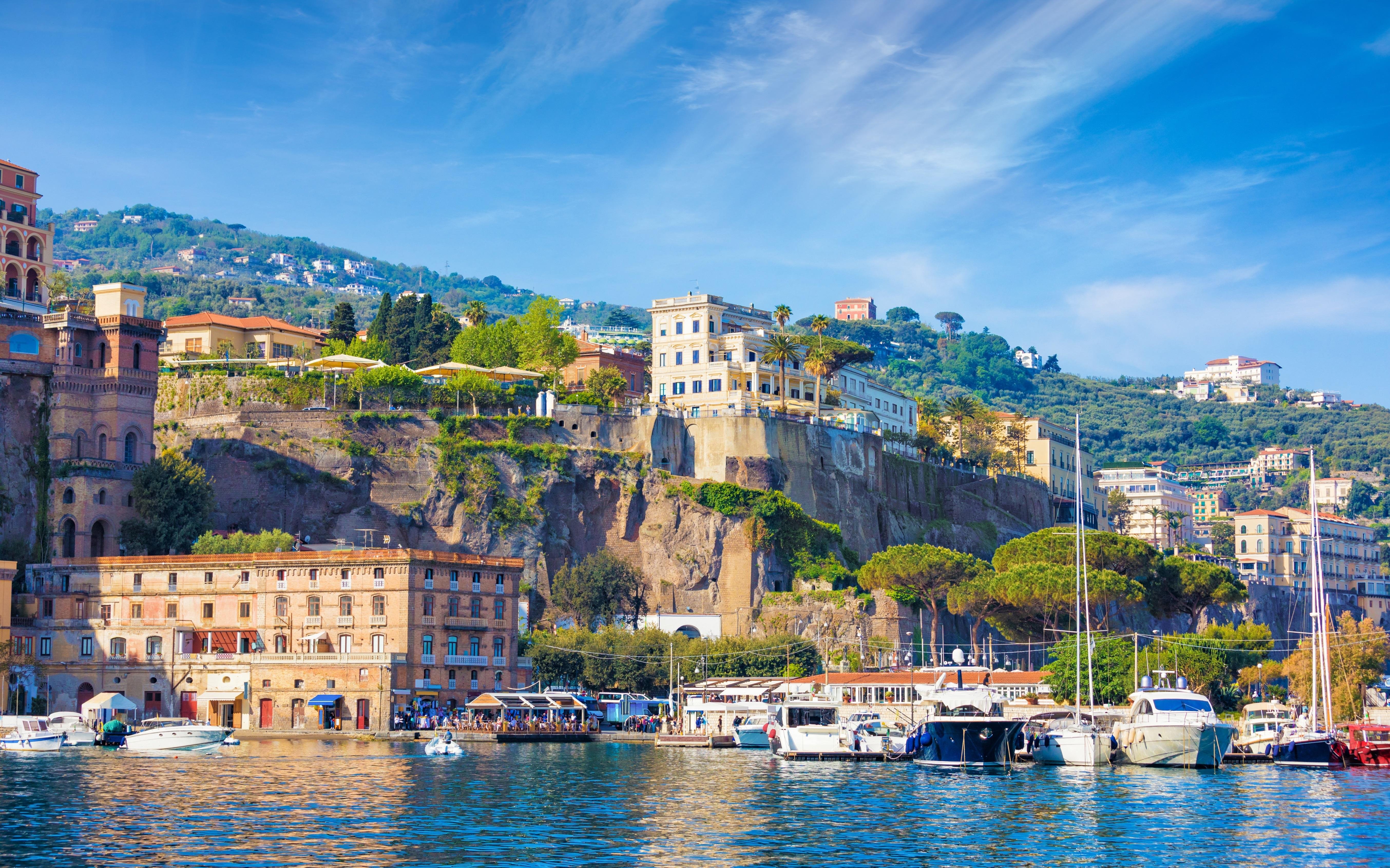
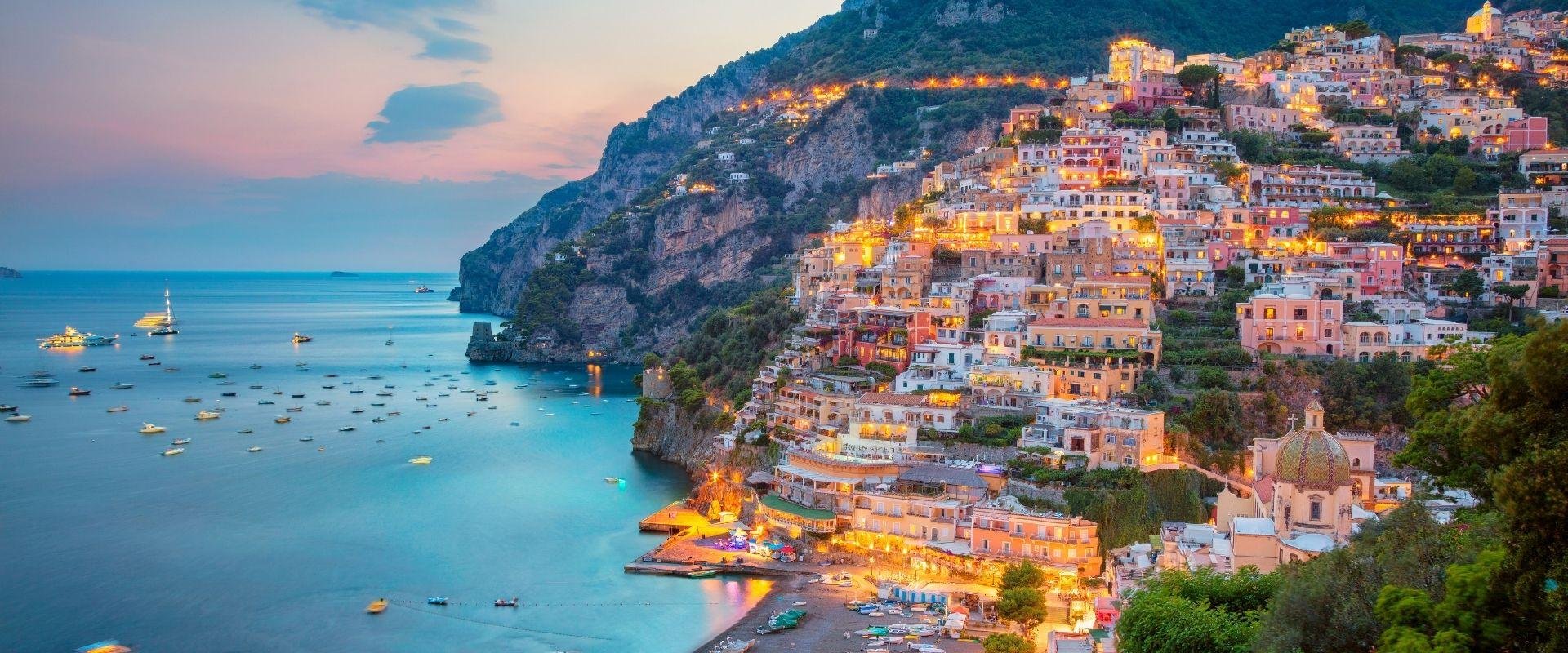
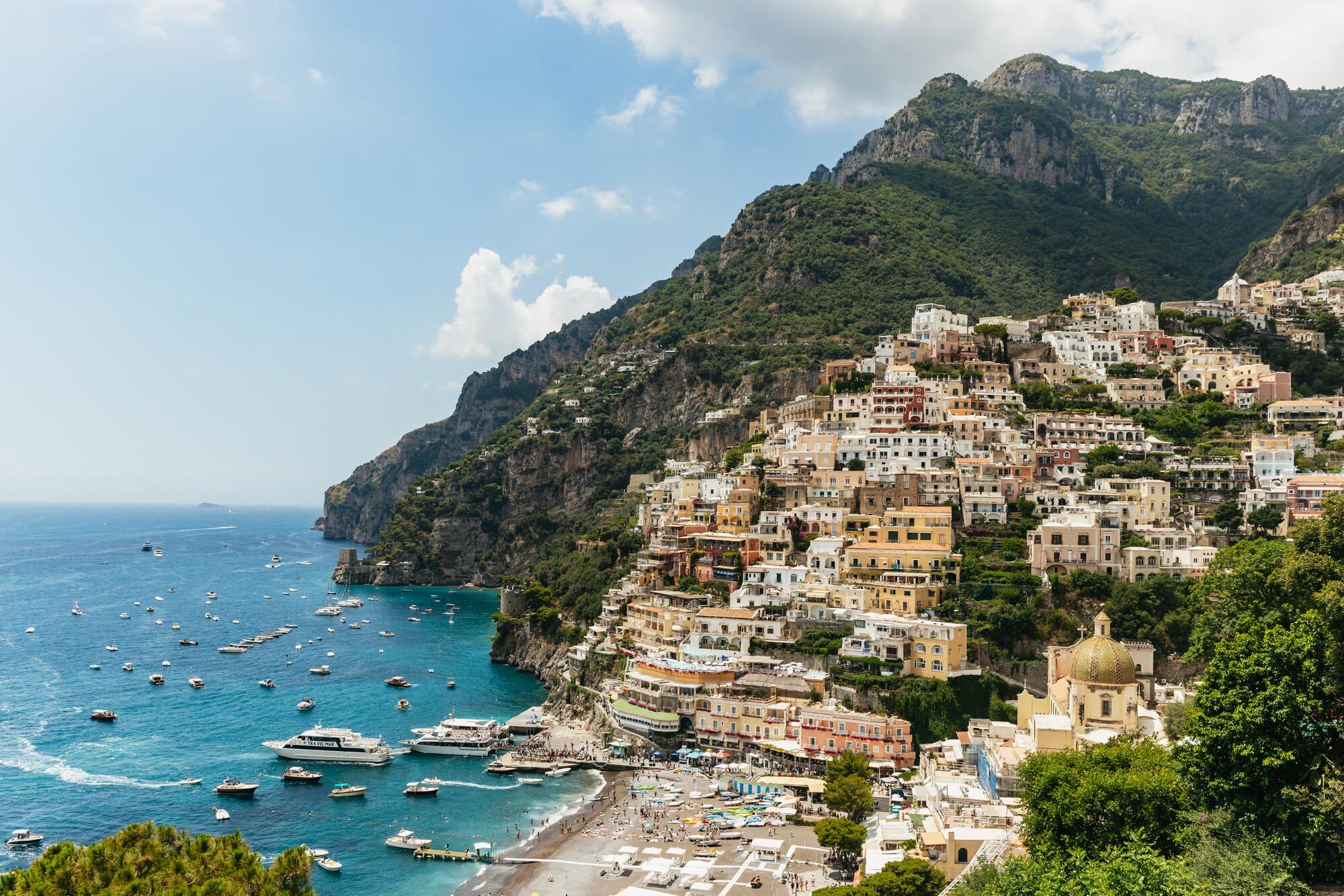
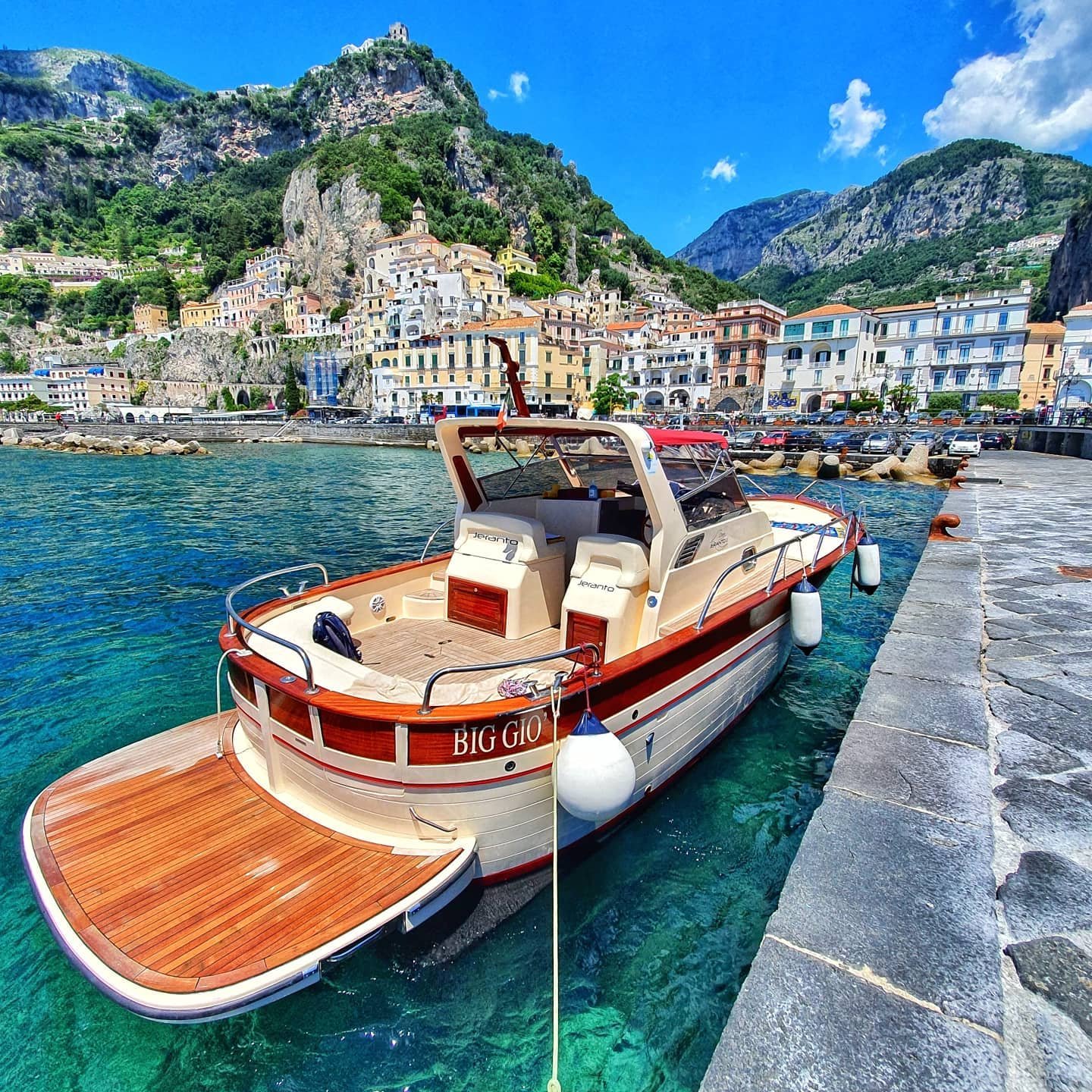
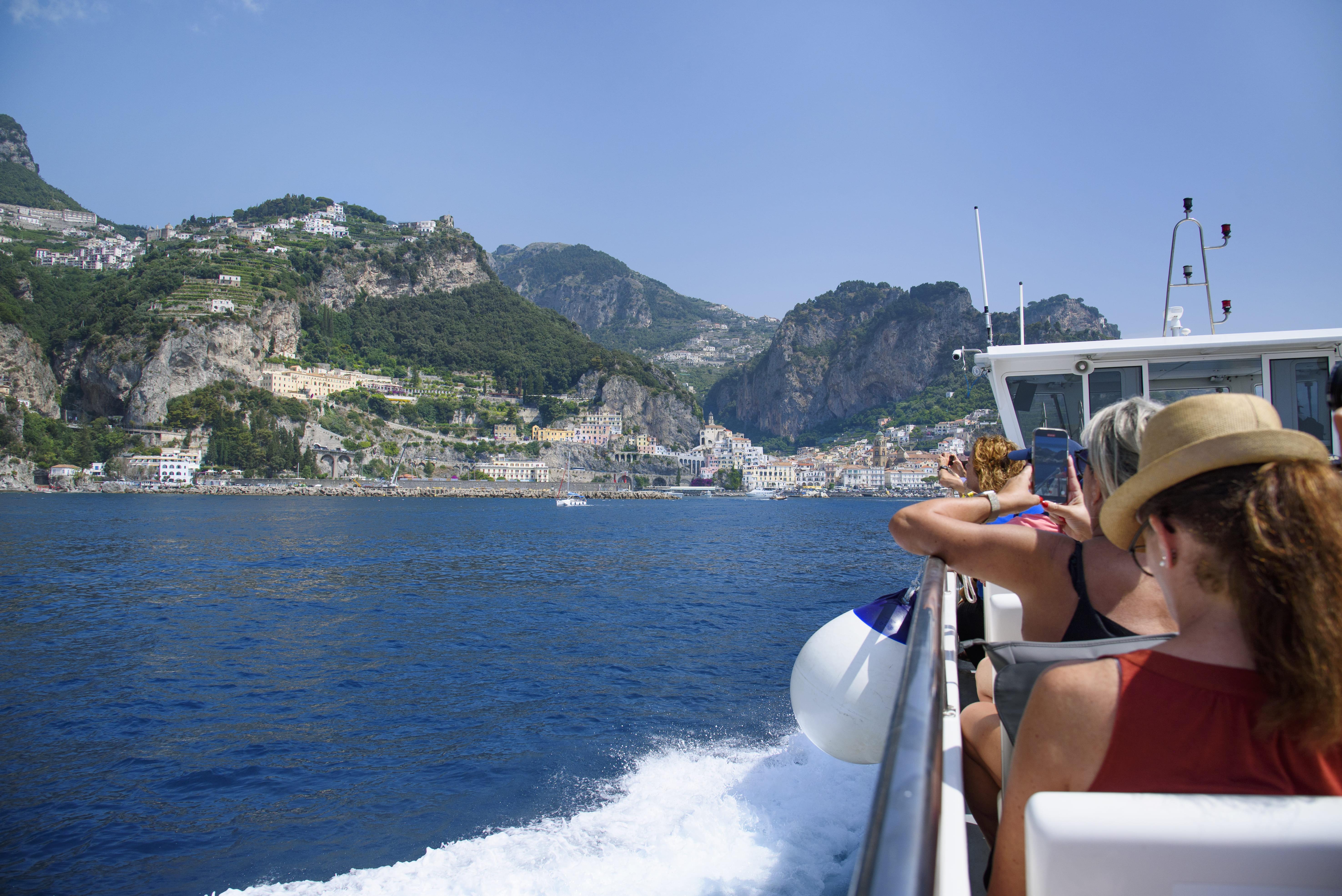

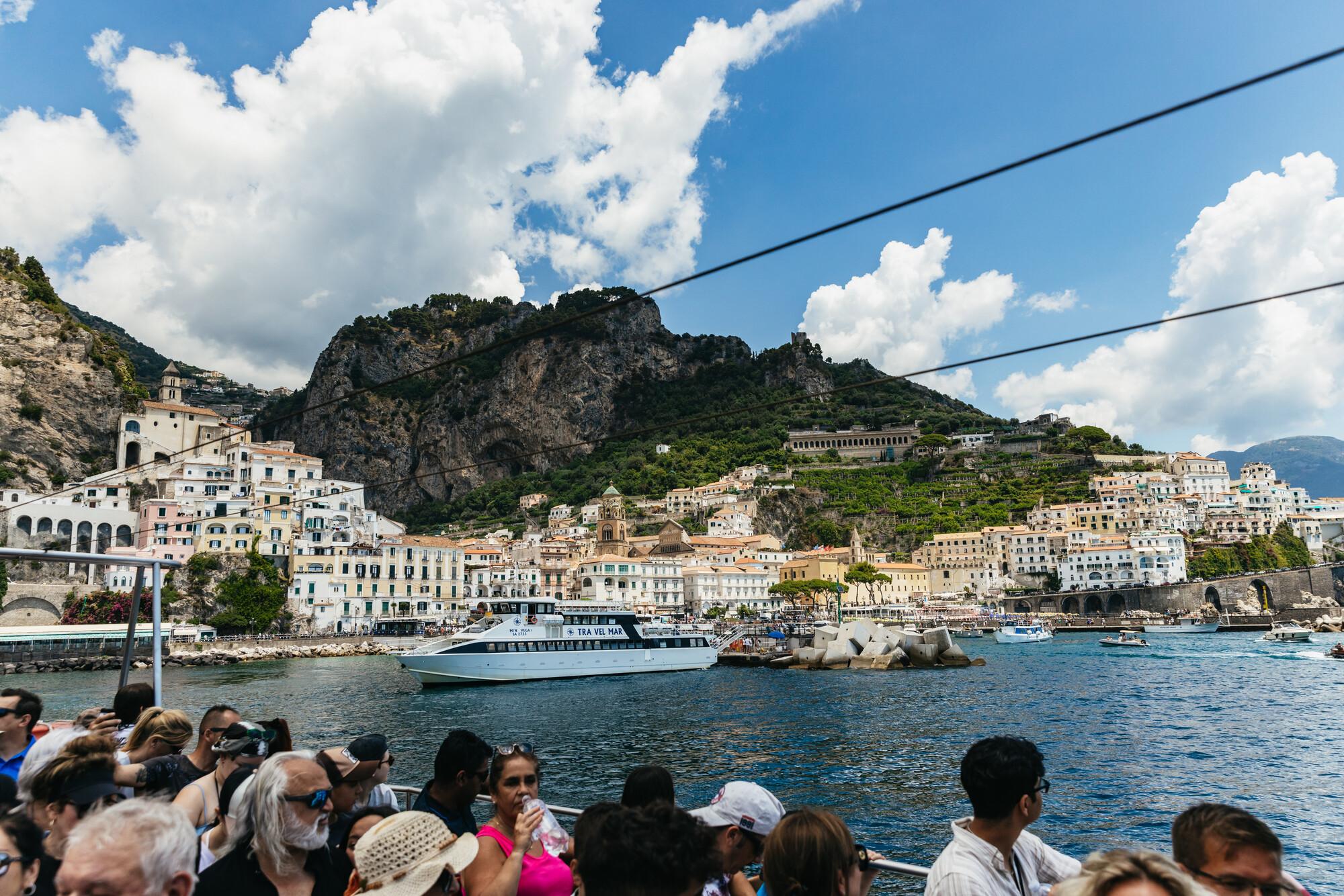
The Amalfi Coast's dramatic geography demands smart sequencing: boat tours skip the coastal road gridlock, while land-based stops cluster by town to avoid backtracking. These itineraries anchor your days around the sub-pages that solve logistics—transfers between hubs, boat departures, and combo tours—so you spend less time in transit and more time on cliff-edge terraces.
Start with a fixed-price transfer to Positano, bypassing the winding SITA bus route. Settle into your hotel and grab coffee at a harbor café.
View guideBoard a shared or private boat for the 90-minute coastal cruise, stopping at Praiano coves and the Furore Fjord. Most operators depart Positano's Marina Grande.
View guideDisembark at Amalfi's harbor; spend an hour at the Arab-Norman cathedral and its cloister, then browse lemon-product shops along Via Lorenzo d'Amalfi.
Join a two-hour aperitivo cruise departing around 18:00, circling back toward Positano as the cliffs turn amber. Most include prosecco and light bites.
View guideTake the early hydrofoil from Positano or Amalfi to Capri (30–40 minutes), then transfer to a small rowboat for the Blue Grotto's five-minute glide through electric-blue water.
View guideRide the chairlift from Anacapri to Monte Solaro's 589-meter summit for a 360-degree panorama, then lunch at a family trattoria on Via Orlandi.
Stroll Via Camerelle's boutiques, visit the terraced Gardens of Augustus overlooking Faraglioni rock stacks, and take the funicular down to Marina Grande for your return ferry.
Book a guided combo that pairs two hours at Pompeii's excavated streets with an afternoon coastal drive, hotel pickup included. You'll cover the Forum, House of the Faun, and plaster casts.
View guideYour driver continues to Ravello, perched 365 meters above Amalfi. Walk the Infinity Terrace at Villa Cimbrone, then hear a concert rehearsal at Villa Rufolo if it's summer festival season.
End with a hands-on session making scialatielli pasta and delizia al limone dessert, typically held in a terraced grove above Minori or Tramonti. Most classes run 17:00–20:00 and include dinner.
View guideNavigating the Amalfi Coast requires balancing scenic coastal roads with limited parking and narrow infrastructure. Travelers primarily rely on a combination of water-based transit and regional bus networks to move between towns.
SITA Sud operates the primary bus network connecting major coastal towns. Use the UnicoCampania app to track routes and verify schedules.
Private drivers are available for point-to-point travel between locations. Fixed fares apply for short-hop trips within the region.
Navigating within towns is best done on foot due to steep, narrow stairways and pedestrian-only zones. Sturdy footwear is recommended for these vertical paths.
From the airport: From NAP|Naples International, reach the coast via bus or train combined with a SITA bus in 2-3 hours for €10–€15. From QSR|Salerno Costa d'Amalfi, take the bus for a 1-1.5 hour journey costing €5–€10.
The period between May and June and September to October offers the most favorable conditions for tours. These months balance temperate weather with manageable crowd levels, ensuring consistent access to local services.
Warm enough for coastal exploration without peak heat.
Peak season brings high heat and congestion.
Sea temperatures remain warm for water tours.
Limited tour availability and reduced ferry services.
The Amalfi Coast is a premium destination where costs remain elevated compared to mainland Italy due to high demand and specialized logistics. Tour prices reflect the exclusivity of private coastal access and expert-led excursions.
Daily budget: Travelers should budget between €150 and €300 per day for a mid-range experience, excluding private tour bookings.
Day trips from the Amalfi Coast provide access to significant historical sites and islands located just beyond the coastline. These destinations are commonly paired with coastal tours for a comprehensive regional experience.
Explore the preserved Roman city buried by the eruption of Mount Vesuvius in 79 AD. It offers direct insight into ancient urban life and architecture.
Visit this island to see the Blue Grotto and the Gardens of Augustus. Boats depart regularly, allowing for a full day of island exploration before returning to the coast.
Located in the hills above the coast, this town features gardens and historic villas. It provides a different perspective of the Tyrrhenian Sea from a higher elevation.
The Amalfi Coast culinary identity is defined by the heavy use of local seafood, sun-ripened lemons, and handmade pasta varieties. Visitors can explore these traditional flavors through hands-on cooking classes hosted in local kitchens along the coastline.
This thick, short pasta is typically served with fresh local shellfish and is available in coastal trattorias throughout Amalfi and Positano.
A sweet lemon liqueur produced from PGI Amalfi Coast lemons, commonly served as a digestif after meals in local bars and restaurants.
Anchovies preserved in oil or colatura di alici (anchovy sauce) are a historic specialty of Cetara, found in local markets and served on fresh bread.
Located in Minori, this institution serves signature lemon-based desserts and cakes that showcase the region's citrus production.
Guided tours through terraced lemon orchards offer insight into the cultivation of the Sfusato Amalfitano, often concluding with tastings at farm estates.
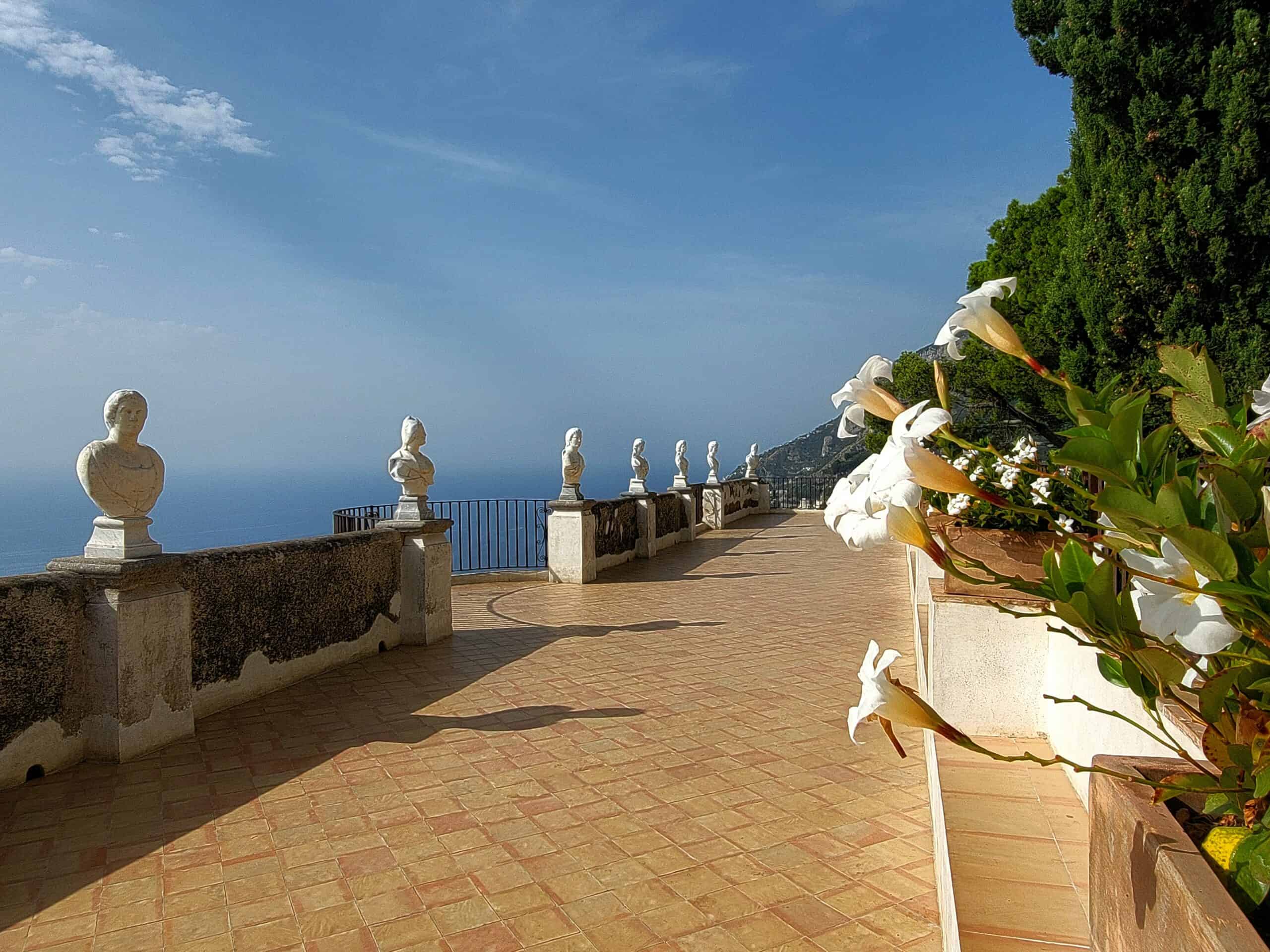
Capture the Infinity Terrace overlooking the sea from Ravello's gardens.
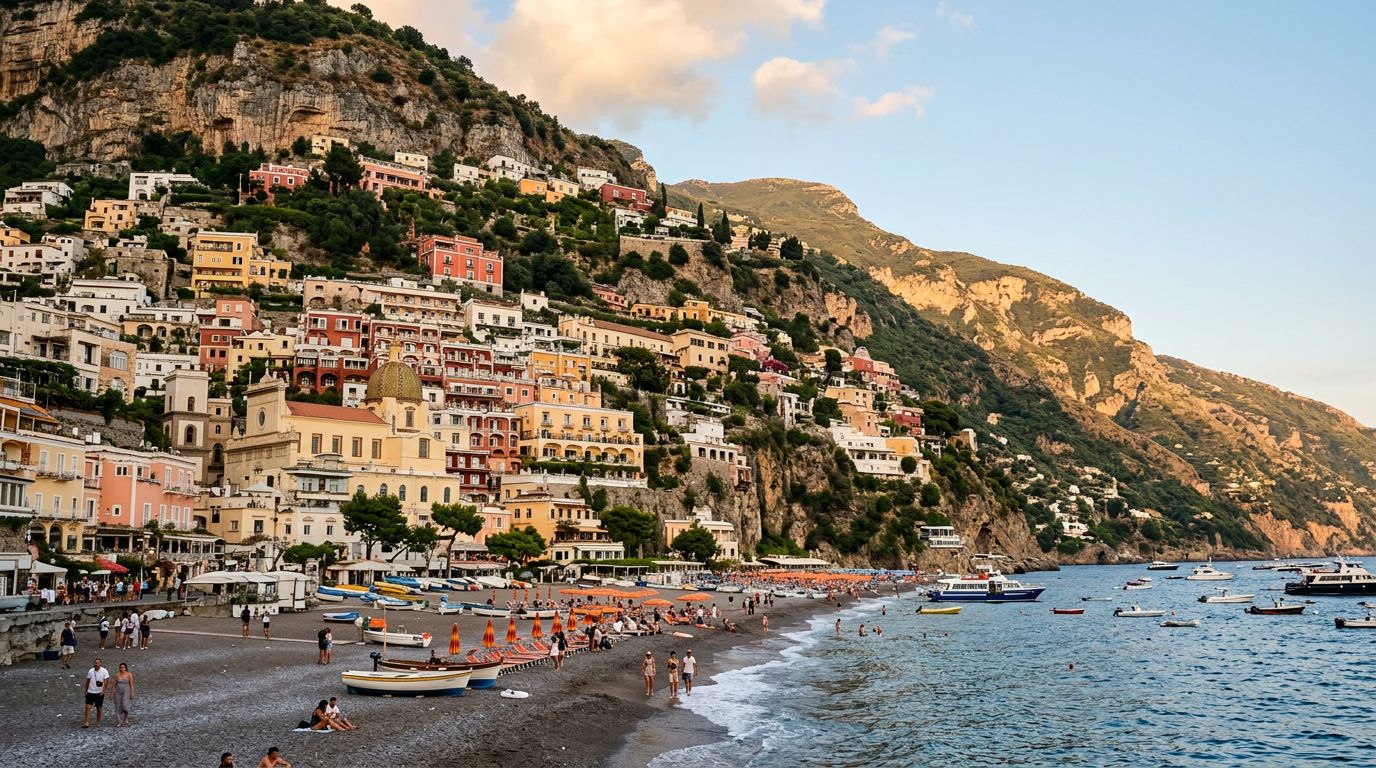
Photograph the colorful vertical stack of houses rising from the main beach.
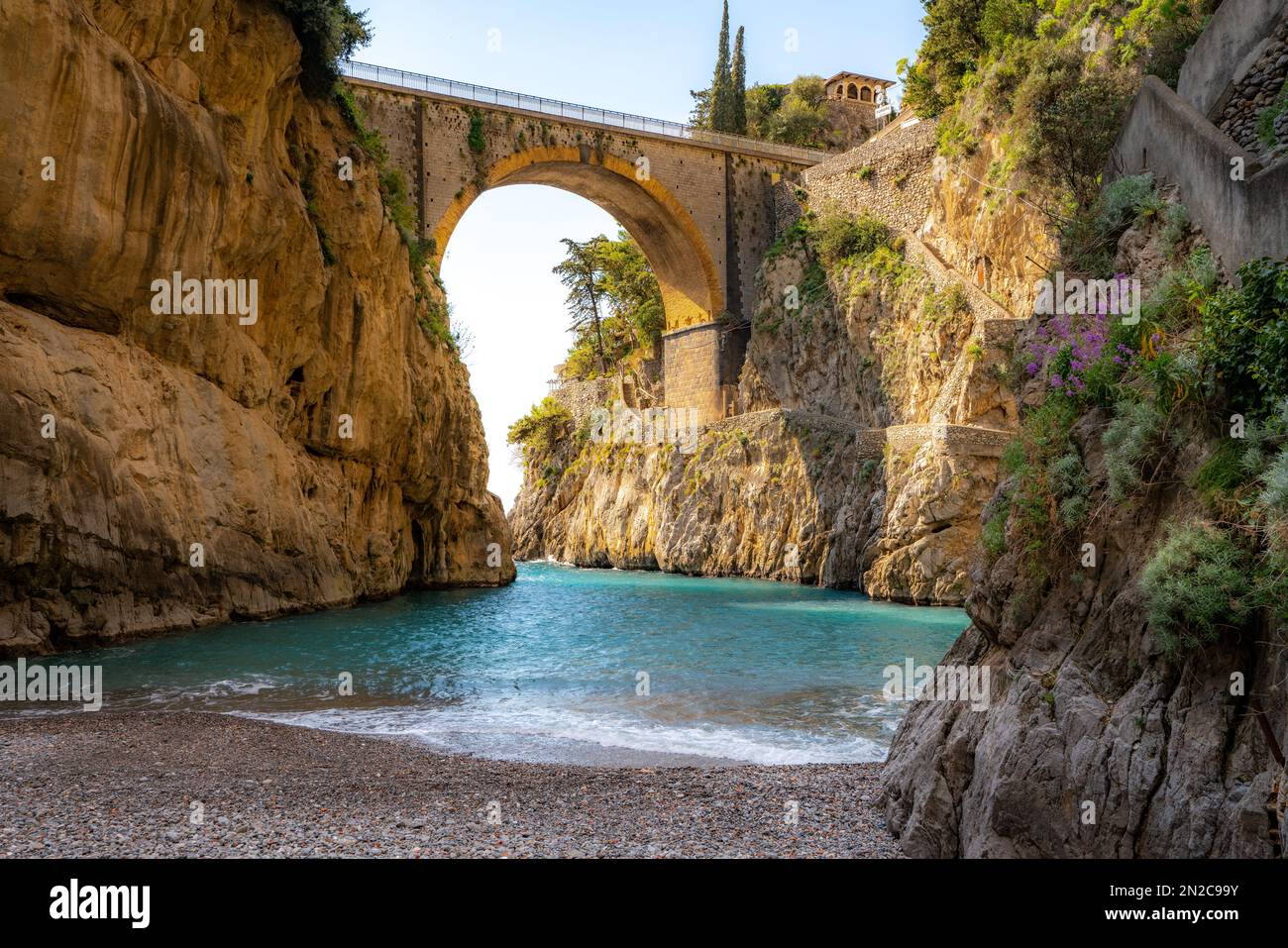
Shoot the narrow beach nestled between limestone cliffs from the bridge above.
Everything you need to know about visiting Amalfi Coast Tours
Most travelers find that three to five days are sufficient to see the primary villages and coastal highlights. This duration allows for a relaxed pace when booking various Amalfi Coast Tours to experience the cliffside scenery.
The region experiences peak season during July–August, which brings high heat and peak tourist crowds. Booking your Amalfi Coast Tours outside of these months can provide a more comfortable climate and fewer people at major heritage sites.
You can fly into NAP
Naples International, which offers bus or train transfers plus a SITA bus taking 2-3 hours at a cost of €10–€15. Alternatively, arriving at QSR
Salerno Costa d'Amalfi allows for a shorter bus transfer of 1-1.5 hours for €5–€10.
Public transit is managed by the operator SITA Sud, which serves the winding coastal roads effectively. A single ride costs €2.80, while a day pass is available for €10.00 for those planning multiple stops.
While costs vary, a mid-range meal is typically €40–€75 and a local drink costs about €5.00. You should also budget for short-hop taxi fares ranging from €30–€90 depending on your destination.
To manage expenses, prioritize using the public bus network instead of private transport and enjoy coffee at the counter for €1.50. Checking the official tourism site at https://www.italia.it provides reliable information on local pricing and public services.
The area is generally very safe for visitors, though you should exercise standard caution with personal belongings in crowded areas. Locals are helpful, and English is widely spoken throughout the hospitality industry.
Tipping is not mandatory in Italy, but leaving a small amount for exceptional service at a restaurant is appreciated. It is common to pay for your coffee at the counter, where prices remain fixed at €1.50.
Choose from amazing attractions and create unforgettable memories in this beautiful city
View All Attractions